

The Soundtrack to Your Wardrobe: How Music Shapes Fashion
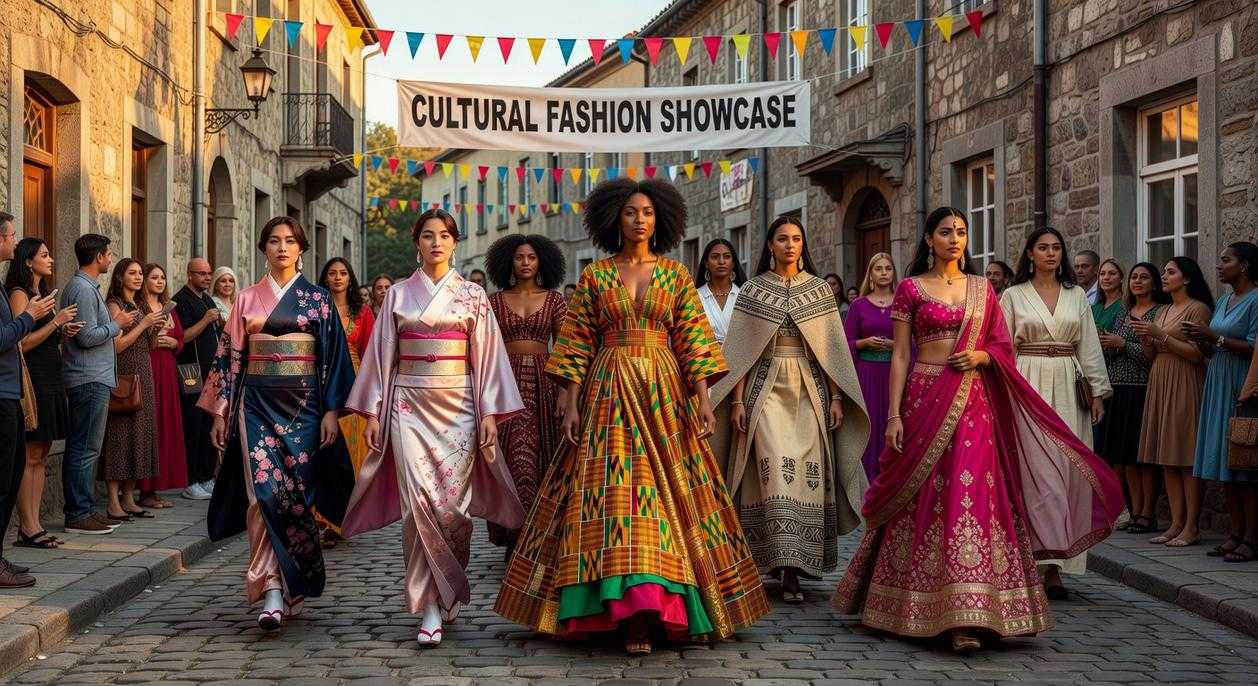
I know—fashion trends can feel RANDOM. One minute it’s minimalist neutrals, the next it’s glitter boots and cowboy hats. But here’s the truth: music is often the hidden DJ behind your closet.
1. The Artist as a Style Icon
When Harry Styles stepped out in gender-fluid tailoring—feather boas, pearl necklaces, wide-leg trousers—he didn’t just wear clothes; he redefined masculinity in fashion. Billie Eilish turned oversized silhouettes into a global uniform, challenging beauty standards and prioritizing comfort. K-Pop groups? Their coordinated, high-fashion looks blur the line between runway and stage.
Some critics argue celebrity fashion is manufactured by stylists, not authentic. Fair. But influence doesn’t require authorship. According to Lyst’s Year in Fashion reports, celebrity appearances can spike searches for specific items by over 30% within days (Lyst, 2023). That’s REAL consumer behavior.
What’s in it for you? Confidence. Permission to experiment. A broader definition of style that fits YOU.
2. Genre-Defining Aesthetics
Hip-hop reshaped luxury streetwear—think sneakers with tailored suits (Virgil Abloh made it high art). Punk’s DIY ethos—ripped tees, safety pins—still fuels anti-establishment fashion. Disco’s glamour? Sequins and satin never truly left (Studio 54 walked so your party outfit could run).
These subcultures offer ready-made style blueprints. Instead of chasing trends, you can anchor your look in a genre that reflects your identity.
3. The Festival Effect
Coachella isn’t just a concert; it’s a runway. Boho-chic, western-revival, avant-garde fringe—what debuts there filters into malls within months (Business of Fashion, 2022).
The benefit? You get early access to emerging aesthetics before they hit mainstream saturation.
4. Music Videos as Visual Lookbooks
High-production videos function as fashion campaigns. Designers debut experimental silhouettes, archival pieces resurface, and niche brands explode overnight. Remember how one video can make a single jacket sell out? That’s strategy.
Bottom line: when you tune into music culture, you gain STYLE FORESIGHT. And foresight is always fashionable.
The Digital Trend Cycle: Social Media, Memes, and Influencer Culture
The fashion calendar used to run on seasons. Now it runs on scroll speed.
The TikTok Trend Machine
TikTok’s algorithm—a recommendation system that pushes highly engaging content to massive audiences quickly—has compressed trend cycles into weeks. So-called micro-trends like “Coastal Grandmother” or “Balletcore” explode, peak, and fade before your next credit card statement closes. Critics argue this fuels overconsumption. They’re not wrong (fast fashion loves a fast feed). But it also democratizes discovery.
Recommendation: Before buying into a micro-trend, test it with pieces you already own. If you still love it after 30 days, invest in one quality upgrade.
Influencers as Modern Muses
We’ve shifted from polished celebrity campaigns to “get ready with me” authenticity. Influencers feel accessible, which makes their style replicable. Still, remember: relatability is often curated.
Pro tip: Follow creators with consistent aesthetics, not just viral outfits.
Viral Moments and Meme Fashion
One red carpet risk or meme can spike demand overnight, bypassing traditional runway cycles (remember how one Barbiecore moment flooded every storefront?).
The Rise of User-Generated Style
Instagram and Pinterest have turned everyday users into tastemakers.
Recommendation: Build a saved-style archive. Patterns in what you pin reveal your real aesthetic—trend-proof and personal.

 There is a specific skill involved in explaining something clearly — one that is completely separate from actually knowing the subject. Jarod V. has both. They has spent years working with everyday styling hacks in a hands-on capacity, and an equal amount of time figuring out how to translate that experience into writing that people with different backgrounds can actually absorb and use.
Jarod tends to approach complex subjects — Everyday Styling Hacks, Designer Runway Reviews, Unique Finds being good examples — by starting with what the reader already knows, then building outward from there rather than dropping them in the deep end. It sounds like a small thing. In practice it makes a significant difference in whether someone finishes the article or abandons it halfway through. They is also good at knowing when to stop — a surprisingly underrated skill. Some writers bury useful information under so many caveats and qualifications that the point disappears. Jarod knows where the point is and gets there without too many detours.
The practical effect of all this is that people who read Jarod's work tend to come away actually capable of doing something with it. Not just vaguely informed — actually capable. For a writer working in everyday styling hacks, that is probably the best possible outcome, and it's the standard Jarod holds they's own work to.
There is a specific skill involved in explaining something clearly — one that is completely separate from actually knowing the subject. Jarod V. has both. They has spent years working with everyday styling hacks in a hands-on capacity, and an equal amount of time figuring out how to translate that experience into writing that people with different backgrounds can actually absorb and use.
Jarod tends to approach complex subjects — Everyday Styling Hacks, Designer Runway Reviews, Unique Finds being good examples — by starting with what the reader already knows, then building outward from there rather than dropping them in the deep end. It sounds like a small thing. In practice it makes a significant difference in whether someone finishes the article or abandons it halfway through. They is also good at knowing when to stop — a surprisingly underrated skill. Some writers bury useful information under so many caveats and qualifications that the point disappears. Jarod knows where the point is and gets there without too many detours.
The practical effect of all this is that people who read Jarod's work tend to come away actually capable of doing something with it. Not just vaguely informed — actually capable. For a writer working in everyday styling hacks, that is probably the best possible outcome, and it's the standard Jarod holds they's own work to.