
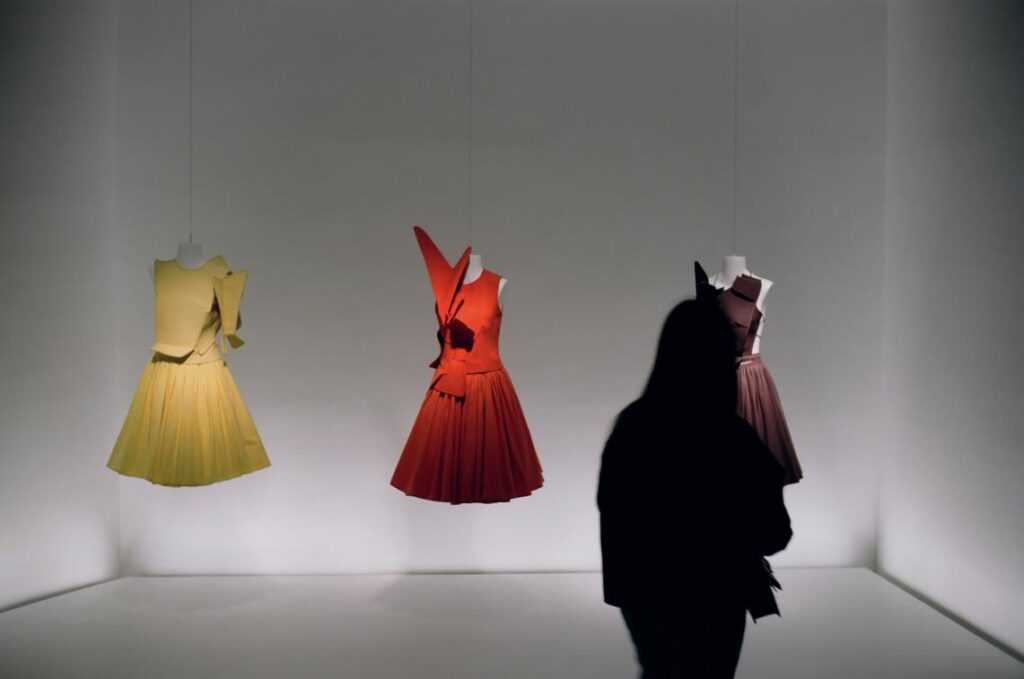
Fashion moves fast—and if you’re here, you want more than surface-level trend reports. You’re looking for clear insight into what’s actually shaping the runway, how designer collections translate into real-world style, and which emerging looks are worth your attention. This article breaks down the latest fashion movements, from standout runway moments to practical everyday styling hacks you can use immediately.
We’ve analyzed recent designer showcases, studied seasonal trend reports, and closely examined the details behind haute couture craftsmanship to separate fleeting hype from lasting influence. Whether you’re searching for wearable interpretations of high-fashion statements or unique finds that elevate your wardrobe, you’ll find curated insights designed to help you dress with confidence and intention.
Expect thoughtful runway reviews, sharp trend analysis, and styling guidance that bridges couture inspiration with everyday wear—so you stay ahead of the curve, not chasing it.
Under the chandelier’s glow, a couture gown shimmers, hand-stitched constellations scattering light. Then, shift your gaze: thousands of unseen hours, bent backs, calloused fingers. Most people think high fashion is spectacle—red carpets, viral reels, price tags. I disagree. True power lives in haute couture craftsmanship, where master artisans draft, drape, and embroider by hand. In fact, couture legally requires Paris-based ateliers meeting strict standards (Fédération de la Haute Couture). Yet critics call it outdated. However, consider:
- Precision patternmaking
- Custom fittings
- Rare textile sourcing
Ultimately, understanding process reshapes perception, revealing fashion’s unseen soul. Beyond glamour, artistry endures, quietly revolutionary and human.
What “haute couture” truly means goes far beyond “high fashion.” In France, the term is a legally protected designation regulated by the French Ministry of Industry and the Fédération de la Haute Couture et de la Mode. Brands cannot simply declare themselves couture; they must earn it under strict, enforceable rules.
At its core, haute couture requires:
- A Paris-based atelier
- A minimum number of full-time artisans
- A private client base
- Custom, made-to-order garments presented twice yearly
Miss one criterion, and the title disappears. Think of it like the Oscars of fashion (minus the acceptance speeches).
Materiality is uncompromising. Rare silks, experimental textiles, and precious embellishments separate couture from ready-to-wear, which is mass-produced in standardized sizes. Every piece is fitted multiple times to a specific client’s body. This is haute couture craftsmanship at its purest: hours of hand-stitching eclipsing machine shortcuts.
Some argue the exclusivity feels outdated in an era of democratized style. But speculation suggests the opposite. As AI design and fast fashion accelerate, true handwork may become even more valuable. Couture could evolve into fashion’s ultimate proof of human touch—rarer, slower, and even more revered. Its future likely hinges on radical preservation efforts worldwide collaboration.
Meet the ‘Petites Mains’: The Masters Behind the Masterpieces
In every couture house, beyond the spotlight and front-row flashes, live the petites mains—literally “little hands.” The term refers to the highly specialized artisans who bring a designer’s vision to life, stitch by stitch. Think of them as the quiet Avengers of fashion (minus the capes, plus needles).
At the heart of the atelier, each role is distinct:
- Le Tailleur: The master of structure. Working primarily with jackets and suits, this artisan engineers shape and silhouette. Precision is everything; a millimeter off can distort an entire look.
- Le Flou: The poet of fabric. Specializing in soft, flowing textiles like chiffon and silk, Le Flou shapes garments that move like liquid. If it drapes, they dream it.
- Le Brodeur: The embroiderer who hand-applies beads, sequins, and thread into intricate motifs. A single panel can take hundreds of hours (patience isn’t optional).
- Le Plumassier: The feather worker, preserving a rare craft that transforms delicate plumes into dramatic embellishments.
These roles embody true haute couture craftsmanship, where every seam is intentional and every detail considered.
Some argue machines could replicate this faster and cheaper. Technically, yes. But speed sacrifices soul. Couture isn’t about efficiency; it’s about artistry you can feel up close.
Most petites mains train through apprenticeships, learning side by side with masters for years. Skills are passed down like heirlooms, preserving techniques that textbooks can’t fully capture.
Recommendation: If you’re investing in couture—or even evaluating quality ready-to-wear—look inside the garment. Examine seams, embroidery backs, and finishing. The real magic is often hidden beneath the surface.
From Sketch to Spectacle: The Journey of a Couture Gown

Step 1: The Vision
Every couture gown begins as a croquis—a fashion sketch that captures proportion, attitude, and mood. A croquis (a quick, elongated figure drawing used in fashion design) isn’t meant to be realistic; it’s aspirational. The designer collaborates with the head of the atelier (the workshop where garments are made) to interpret fabrics, structure, and feasibility. Think of it as the blueprint stage—like Tony Stark drafting a new suit, but with silk instead of steel.
Step 2: The Toile
Before precious fabric is touched, a toile is created. A toile is a prototype garment made from inexpensive cotton or muslin to test fit and silhouette. It’s pinned, adjusted, and redraped on a mannequin or fit model until proportions are flawless. Some argue digital 3D modeling could replace this step. Perhaps someday—but fabric behaves unpredictably in motion (gravity always has opinions).
Step 3: The Meticulous Construction
Once approved, the final fabric is hand-cut and hand-stitched. This stage can demand hundreds of hours, embodying haute couture craftsmanship at its peak. Seams are invisibly finished; linings are engineered for comfort. Pro tip: true couture often hides as much effort inside the garment as outside.
Step 4: The Art of Embellishment
Specialized ateliers handle embroidery, feathers, or beadwork before the gown returns for assembly. These artisans elevate fabric into spectacle.
Step 5: The Fittings
Multiple fittings mold the gown precisely to the client’s body. Some predict couture will become even more hyper-personalized through body-scanning tech—though nothing replaces human hands. For contrast, explore runway vs retail designer looks comparison to see how mass production diverges from this intimate process.
Preserving a Legacy in a Fast-Fashion World
Fast fashion moves at swipe speed; couture moves at human speed. That tension defines today’s runway. While trend cycles refresh weekly, haute couture craftsmanship can take hundreds of hours, skilled fittings, and experimental draping. Think of couture as an idea lab: exaggerated shoulders today become tomorrow’s structured blazers at retail (yes, even your mall favorite).
So how do you engage thoughtfully? First, study runway details before shopping. Next, invest in one artisan piece each season. Finally, tailor ready-to-wear for a custom feel. In a mass-produced era, uniqueness isn’t indulgent—it’s strategic value right now.
True luxury isn’t just seen; it’s labored over. A single couture gown can require over 700 hours of handwork, from embroidery to final fitting (Vogue Business, 2022). That time isn’t indulgence—it’s intention. Every seam reflects haute couture craftsmanship, where artisans train for years to master techniques machines still can’t replicate.
Admittedly, some argue modern technology delivers comparable quality faster and cheaper. Yet studies show consumers associate handmade goods with higher perceived value and longevity (Journal of Consumer Research, 2015).
So look closer. Choose pieces with a story stitched inside. Value artistry over trends. Because magic, in fashion, is human effort.
Own Your Willistyle Moment
You came here looking for clarity on the latest fashion trends, runway influences, and how to translate high-end looks into your everyday wardrobe. Now you have the insight to spot standout pieces, understand haute couture craftsmanship, and confidently elevate your personal style.
The real frustration isn’t a lack of clothes — it’s not knowing how to style them in a way that feels intentional, modern, and uniquely you. Trends move fast. Without the right guidance, it’s easy to feel behind or overwhelmed.
That’s why staying connected to expert runway analysis, curated trend breakdowns, and practical styling hacks matters. When you know what’s shaping the fashion conversation, you shop smarter, style better, and stand out effortlessly.
Ready to transform your wardrobe from ordinary to unforgettable? Explore the latest trend reports, dive into our designer reviews, and discover style strategies trusted by thousands of fashion-forward readers. Don’t just follow trends — define your Willistyle. Start exploring now.

 There is a specific skill involved in explaining something clearly — one that is completely separate from actually knowing the subject. Jarod V. has both. They has spent years working with everyday styling hacks in a hands-on capacity, and an equal amount of time figuring out how to translate that experience into writing that people with different backgrounds can actually absorb and use.
Jarod tends to approach complex subjects — Everyday Styling Hacks, Designer Runway Reviews, Unique Finds being good examples — by starting with what the reader already knows, then building outward from there rather than dropping them in the deep end. It sounds like a small thing. In practice it makes a significant difference in whether someone finishes the article or abandons it halfway through. They is also good at knowing when to stop — a surprisingly underrated skill. Some writers bury useful information under so many caveats and qualifications that the point disappears. Jarod knows where the point is and gets there without too many detours.
The practical effect of all this is that people who read Jarod's work tend to come away actually capable of doing something with it. Not just vaguely informed — actually capable. For a writer working in everyday styling hacks, that is probably the best possible outcome, and it's the standard Jarod holds they's own work to.
There is a specific skill involved in explaining something clearly — one that is completely separate from actually knowing the subject. Jarod V. has both. They has spent years working with everyday styling hacks in a hands-on capacity, and an equal amount of time figuring out how to translate that experience into writing that people with different backgrounds can actually absorb and use.
Jarod tends to approach complex subjects — Everyday Styling Hacks, Designer Runway Reviews, Unique Finds being good examples — by starting with what the reader already knows, then building outward from there rather than dropping them in the deep end. It sounds like a small thing. In practice it makes a significant difference in whether someone finishes the article or abandons it halfway through. They is also good at knowing when to stop — a surprisingly underrated skill. Some writers bury useful information under so many caveats and qualifications that the point disappears. Jarod knows where the point is and gets there without too many detours.
The practical effect of all this is that people who read Jarod's work tend to come away actually capable of doing something with it. Not just vaguely informed — actually capable. For a writer working in everyday styling hacks, that is probably the best possible outcome, and it's the standard Jarod holds they's own work to.