What Truly Defines an “Exclusive” Fashion Collection?
Most people think exclusive means expensive. That’s only half true (and sometimes not true at all). Exclusivity in fashion refers to controlled access—a deliberate limitation of availability to increase desirability, cultural relevance, or collector value.
Beyond the Price Tag
A $5,000 gown sitting in full size runs worldwide isn’t exclusive. Meanwhile, a $120 hoodie released in a 24-hour drop can sell out instantly and become resale gold. The difference? Scarcity, storytelling, and craftsmanship.
Scarcity means limited supply. Narrative is the story behind the piece—its inspiration, cultural moment, or collaboration. Craftsmanship refers to the skill, materials, and techniques used to create it.
Pro tip: If you’re evaluating exclusivity, ask, “Can this be easily restocked?” If yes, it’s probably marketing—not rarity.
The Anatomy of Scarcity
Here’s how brands create it:
-
Numbered Pieces & Limited Production Runs
Owning item #17 of 50 creates psychological ownership. Behavioral economists call this the scarcity principle (Cialdini, 1984). It’s the fashion equivalent of having a signed first-edition novel. -
Designer Collaborations
Think Supreme x Louis Vuitton or H&M x Mugler. Two audiences merge, forming a temporary “super-brand.” These drops often define limited edition fashion releases at their peak frenzy. -
Capsule Collections & Special Drops
Small, tightly themed releases outside the seasonal calendar. They feel urgent—like a surprise album drop. -
Unique Materials & Archival Revivals
Rare fabrics or short-term reissues of iconic designs tap into nostalgia (and yes, that 2000s revival is intentional).
If you’re hunting for emerging exclusivity, start with independent fashion brands worth watching this year—they often experiment with scarcity before major houses do.
Exclusivity isn’t just about who can afford it. It’s about who can access it.
The Strategy: How to Win the Race to Checkout
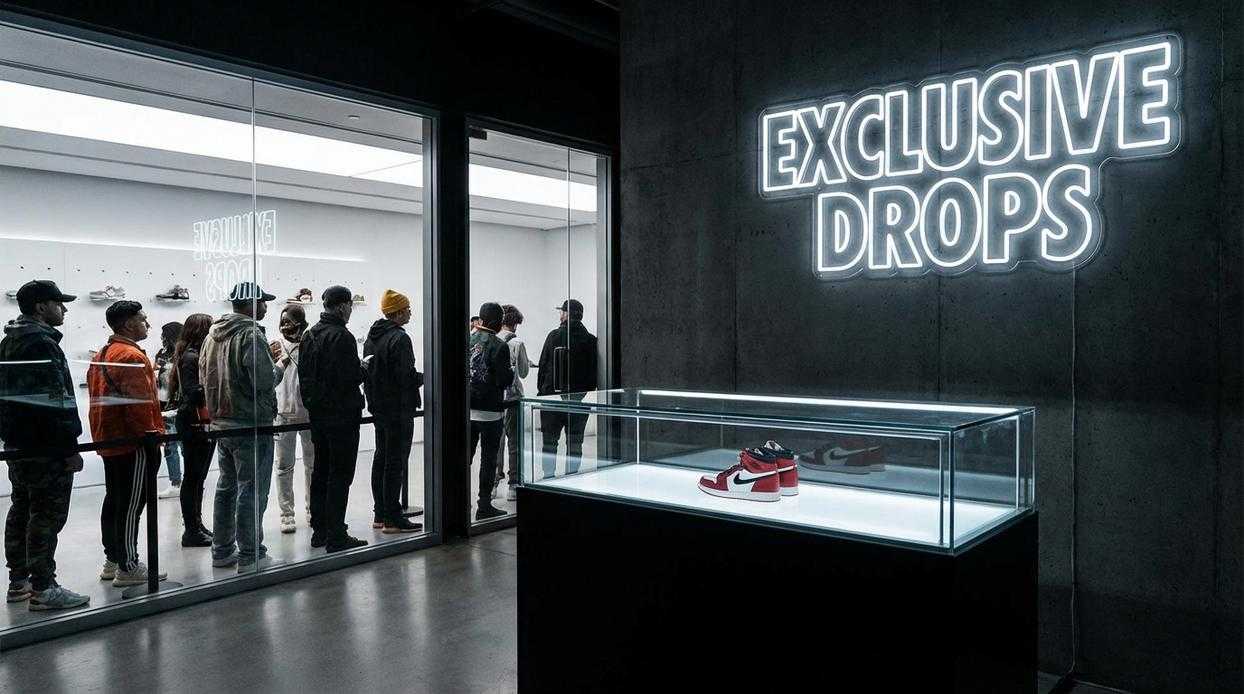
Scoring limited edition fashion releases isn’t luck. It’s logistics.
Let’s break it down so nothing feels confusing or chaotic when the clock hits zero.
Pre-Drop Preparation (The 24-Hour Checklist)
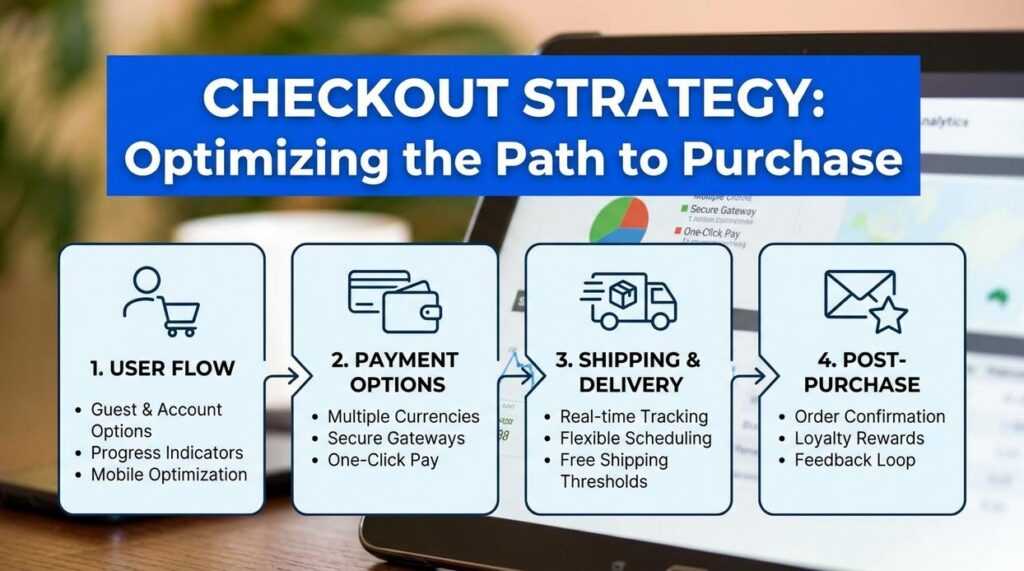
First, create accounts on the target websites ahead of time. This might sound obvious, but “guest checkout” is a trap (it eats precious seconds).
Next, securely save your shipping and payment information. When we say one-click process, we mean reducing checkout to a single confirmation tap. The fewer fields you type, the better.
Then, confirm the exact drop time. Brands often list times in EST or PST, so convert it to your local time zone. Set multiple alarms—one 15 minutes before, another 2 minutes before. (Yes, it feels dramatic. Yes, it works.)
Pro tip: Log in 10 minutes early and refresh at the drop time—not before. Some sites flag excessive refreshing as bot behavior.
The Moment of the Drop (The 60-Second Execution)
Now clarity matters most.
Have your priority item—size and color included—pre-decided. No browsing. No debating. This isn’t window shopping; it’s speed chess.
Use browser autofill to accelerate checkout. Seconds matter.
Most importantly, prioritize securing one item instead of stacking your cart. Adding multiples increases the chance of losing everything. Lock one piece down first.
Post-Drop Plan B
If you miss out, don’t panic.
Reputable resale platforms like StockX, Grailed, and The RealReal offer authentication processes, meaning items are verified before reaching buyers. However, expect markups—sometimes 20–200% depending on demand (StockX reports resale premiums frequently exceeding retail on hyped drops).
In short, preparation beats panic. Checkout speed isn’t chaos—it’s coordination.
From Fashion Follower to Collector
You don’t have to be stuck watching drops disappear in seconds.
The difference between a fashion follower and a true collector isn’t luck. It’s strategy. It’s knowing when limited edition fashion releases are happening, understanding the competitive landscape, and positioning yourself to act before the rush.
You came here to figure out how to move differently next time. Now you have the framework: preparation, speed, precision, and knowing exactly where to look.
That frustrating “Sold Out” screen? It doesn’t have to define your style journey anymore.
Start building your watchlist today. Sign up for the right newsletters. Set your alerts. Prepare for your next acquisition before the drop goes live.
Your truly unique wardrobe isn’t out of reach—it’s waiting for you to claim it.