

Fashion moves fast, and staying ahead of trends can feel overwhelming. Whether you’re searching for runway insights, everyday styling inspiration, or the next standout piece to elevate your wardrobe, this article is designed to give you exactly that. We break down emerging fashion trends, decode designer collections, and spotlight unique finds—including artisan-made clothing—so you can make confident, stylish choices without the guesswork.
Our analysis draws from consistent runway reviews, trend forecasting, and close monitoring of what’s gaining traction across both high fashion and street style. Instead of recycled commentary, you’ll get curated insights that connect catwalk creativity with real‑world wearability.
By the end, you’ll have a clearer understanding of what’s trending, what’s worth investing in, and how to translate high-fashion inspiration into looks that work effortlessly for your everyday style.
Fast fashion promises runway looks at coffee prices, but the bargain often unravels after a few washes. By contrast, artisan-made clothing carries a narrative: who stitched it, which fabric was chosen, and why the cut matters. So how do you tell the difference?
- Materials: Mass brands favor synthetics for speed; handcrafted pieces lean on natural fibers that age gracefully.
- Construction: Look for reinforced seams and hand-finished details versus glued hems.
- Story: True craftsmanship names the maker, not just the label.
Ultimately, quality outlasts trends (and landfill cycles), offering style with substance that endure beyond seasonal hype today.
What Truly Defines Artisan-Crafted Clothing?
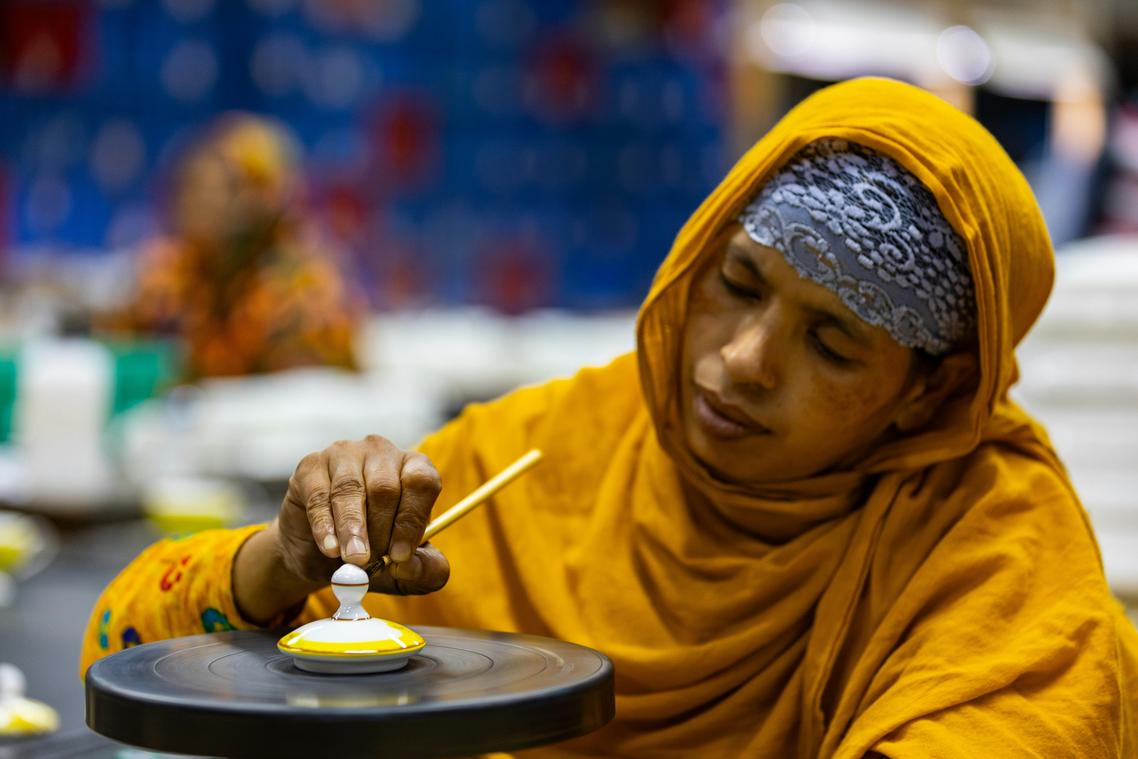
At its core, artisan in fashion refers to a skilled craftsperson who creates garments using traditional or highly specialized techniques, often by hand. Think of it as the difference between a handwritten letter and a mass-printed flyer (both communicate, but only one carries a human imprint). The human element means time, intention, and mastery are stitched into every seam.
The Human Element: A vs. B
- Artisan: Hand-guided techniques, years of training, cultural heritage embedded in each piece.
- Mass Production: Automated machinery, speed-focused output, trend-driven replication.
According to UNESCO, traditional craftsmanship is a key form of intangible cultural heritage worth safeguarding (UNESCO Intangible Cultural Heritage Lists). That context matters when evaluating clothing.
Signature Techniques to Look For
Artisan-made clothing often features:
- Hand-weaving: Irregular, textured weaves you can feel with your fingertips.
- Block printing: Hand-carved wooden stamps pressing pigment into fabric, creating slight variations (the “perfectly imperfect” charm).
- Natural dyeing: Plant-based colors that age gracefully instead of fading harshly.
- Intricate embroidery and hand-sewn finishes: Tiny, deliberate stitches—no loose shortcuts.
Compare that with digitally printed patterns and machine-serged seams designed for speed.
Material Matters
High-quality natural fibers—organic cotton, hand-spun wool, linen, silk—breathe better and last longer. Synthetic blends, while affordable, often prioritize cost efficiency over longevity (Textile Exchange reports growing demand for natural fibers due to sustainability concerns).
Small-Batch Production
Small-batch runs mean limited quantities, less waste, and greater exclusivity. Fast fashion? Massive volume, rapid turnover, and excess inventory. One prioritizes craftsmanship; the other prioritizes scale. Which closet would you rather invest in?
Why Invest in a Wardrobe with Soul?
Fast fashion is tempting. It’s cheap, it’s quick, and it’s everywhere. However, if you’ve ever watched a $20 shirt lose its shape after three washes, you already know the catch.
Unmatched Quality & Durability
A wardrobe with soul begins with craftsmanship. Meticulous construction—stronger seams, reinforced stitching, and higher‑grade fabrics—means garments that last for years, not just a season. According to the Ellen MacArthur Foundation, the average garment is worn 36% fewer times than it was 15 years ago, largely due to declining quality. Investing in better-made pieces reverses that trend.
Recommendation: Check stitching density, fabric weight, and lining before buying. If it feels substantial in your hands, it’ll likely hold up on your body. (Yes, fabric has vibes.)
The Power of Uniqueness
Unlike mass-produced items, artisan-made clothing often carries subtle variations in texture, dye, or detail. Those “imperfections” are proof of human touch. Think of it like owning an original painting instead of a print. And if you love bold dressing, explore statement pieces that elevate simple outfits.
Ethical & Sustainable Impact
Moreover, choosing thoughtfully made garments supports fair wages and preserves cultural craftsmanship. The UN reports that fashion accounts for up to 10% of global carbon emissions; buying fewer, longer-lasting pieces helps shrink that footprint.
Recommendation: Prioritize brands transparent about sourcing and labor practices.
The Emotional Connection
Finally, there’s the feeling. Wearing something made with intention connects you to its origin. You’re not just wearing fabric—you’re wearing a story. And that story? It never goes out of style.
A Savvy Shopper’s Guide to Spotting True Craftsmanship
Examine the Seams
Turn a garment inside out (yes, right there in the store—be bold). Look for French seams—where raw edges are tucked neatly inside—or hand-rolled hems, which have tiny, almost invisible stitches. These finishes take time. Serged edges, created by a machine that wraps thread around the edge, are common and not inherently bad—but they’re not couture either. If the inside looks like it got a five‑minute haircut, that tells you something.
Feel the Fabric
Natural fibers like cotton, wool, silk, and linen tend to breathe and soften with wear. Synthetics often feel slick or overly uniform. Hand-woven or hand-printed textiles may have subtle irregularities—tiny shifts in pattern or texture. That’s not a flaw; that’s personality (think of it as the fashion equivalent of a charming crooked smile). Perfectly imperfect is often the point. Pro tip: scrunch the fabric lightly—natural fibers usually wrinkle more than polyester (Textile Exchange, 2022).
Ask About the Story
Reputable sellers can explain who made the piece and how. If they light up when describing the artisan or technique, you’re likely holding artisan-made clothing with real provenance.
Price as an Indicator (Not a Guarantee)
Higher prices often reflect labor, skill, and quality materials (OECD, 2019). If it seems too good to be true, it probably skipped a few loving stitches along the way.
Integrating Artisan Pieces into Your Everyday Style
I once built an entire outfit around an embroidered jacket I found at a flea market in Lisbon—and yes, strangers stopped me for photos (very “street style during Fashion Week”). The statement piece anchors everything; keep the rest neutral so it can breathe. After that, try elevating basics. A hand-woven scarf or sculptural earrings can transform jeans and a tee from forgettable to intentional. That’s the quiet power of artisan-made clothing.
On the other hand, mixing high and low can feel risky. Start small: pair tailored trousers with a block-printed blouse. Suddenly, accessible meets chic—and it just works.
I used to buy whatever was trending, chasing sales and dopamine. My closet was full, but nothing felt like me. That changed when I invested in artisan-made clothing from a local maker who told me how she sourced her fabrics. Quality, I realized, isn’t just durability—it’s intention stitched into every seam. Some argue trends keep fashion fun and affordable. True, but constant turnover drains your wallet and the planet (fast fashion’s dirty secret). The antidote is a curated wardrobe built on:
- Fewer, better pieces.
- Stories you can retell.
Start small. Choose one piece that speaks to you and notice difference.
Own Your Style Story
You came here looking for clarity on how to elevate your wardrobe with pieces that feel intentional, expressive, and ahead of the curve. Now you have the insight to spot meaningful trends, style them with confidence, and invest in pieces that truly reflect who you are.
Fashion frustration usually comes from chasing every trend and still feeling like nothing fits your identity. The real shift happens when you choose standout designs, embrace artisan-made clothing, and style each look with purpose instead of pressure.
Here’s your next move: start curating smarter. Explore runway-inspired pieces, experiment with bold pairings, and prioritize quality over quantity. If you’re ready to stop second-guessing your outfits and start turning heads, dive into our latest style breakdowns and trending finds now. We’re trusted by style-forward readers who want fashion that feels original, not ordinary.
Your wardrobe should speak before you do. Make sure it says something unforgettable.

 Larry B. writes the kind of designer runway reviews content that people actually send to each other. Not because it's flashy or controversial, but because it's the sort of thing where you read it and immediately think of three people who need to see it. Larry has a talent for identifying the questions that a lot of people have but haven't quite figured out how to articulate yet — and then answering them properly.
They covers a lot of ground: Designer Runway Reviews, Style Buzz, Willistyle Couture Analysis, and plenty of adjacent territory that doesn't always get treated with the same seriousness. The consistency across all of it is a certain kind of respect for the reader. Larry doesn't assume people are stupid, and they doesn't assume they know everything either. They writes for someone who is genuinely trying to figure something out — because that's usually who's actually reading. That assumption shapes everything from how they structures an explanation to how much background they includes before getting to the point.
Beyond the practical stuff, there's something in Larry's writing that reflects a real investment in the subject — not performed enthusiasm, but the kind of sustained interest that produces insight over time. They has been paying attention to designer runway reviews long enough that they notices things a more casual observer would miss. That depth shows up in the work in ways that are hard to fake.
Larry B. writes the kind of designer runway reviews content that people actually send to each other. Not because it's flashy or controversial, but because it's the sort of thing where you read it and immediately think of three people who need to see it. Larry has a talent for identifying the questions that a lot of people have but haven't quite figured out how to articulate yet — and then answering them properly.
They covers a lot of ground: Designer Runway Reviews, Style Buzz, Willistyle Couture Analysis, and plenty of adjacent territory that doesn't always get treated with the same seriousness. The consistency across all of it is a certain kind of respect for the reader. Larry doesn't assume people are stupid, and they doesn't assume they know everything either. They writes for someone who is genuinely trying to figure something out — because that's usually who's actually reading. That assumption shapes everything from how they structures an explanation to how much background they includes before getting to the point.
Beyond the practical stuff, there's something in Larry's writing that reflects a real investment in the subject — not performed enthusiasm, but the kind of sustained interest that produces insight over time. They has been paying attention to designer runway reviews long enough that they notices things a more casual observer would miss. That depth shows up in the work in ways that are hard to fake.