
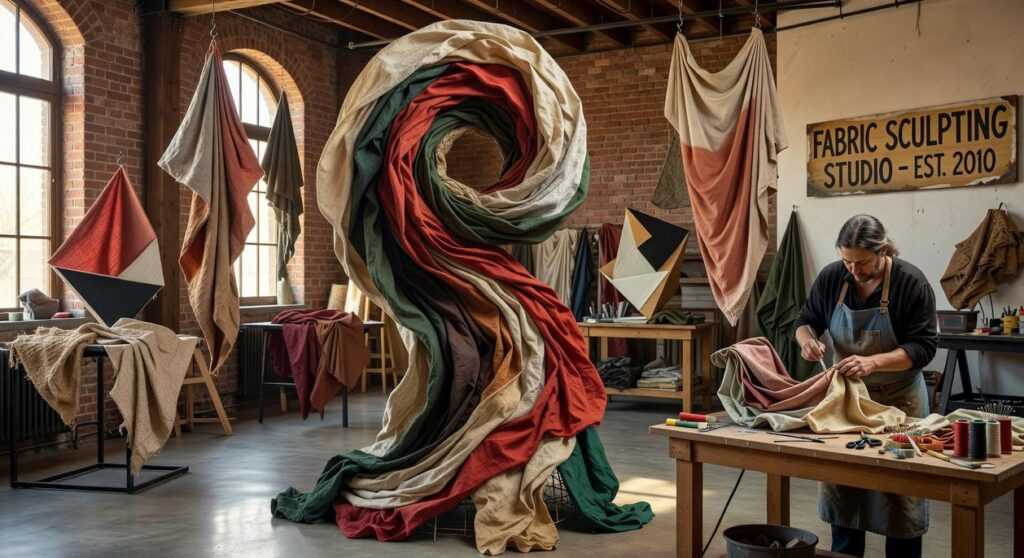
What truly separates a $5,000 garment from a $50 one? It’s not just the label—it’s the unseen craftsmanship, the hidden structure, and the precision stitched into every seam. Beneath the surface lies an internal architecture that shapes how a piece fits, drapes, and endures over time.
Many aspiring designers and home sewers struggle to bridge the gap between a “homemade” finish and a polished, runway-worthy result. The difference comes down to mastering couture tailoring techniques that luxury houses rely on but rarely reveal.
After years of closely analyzing designer collections and deconstructing high-end garments stitch by stitch, we’ve identified the foundational construction methods that define true luxury.
This guide breaks them down into a clear, actionable roadmap—so you can elevate your work from standard to stunning, with structure, refinement, and confidence built into every detail.
Seam Finishes: The True Test of Quality
Turn a garment inside out. What do you see?
If the interior looks like an afterthought—raw edges quickly overlocked and forgotten—you’re not holding luxury. You’re holding a shortcut. In high-end fashion, seam finishes are the quiet proof of craftsmanship. They’re the difference between “nice” and investment-worthy.
Some argue that seam finishes don’t matter because no one sees them. Why pay more for something hidden? Fair question. However, the inside construction directly affects durability, drape, and comfort. A poorly finished seam can itch, fray, or distort over time. A refined finish, on the other hand, helps a garment age gracefully (like a well-cast period drama that only gets better on rewatch).
The Finishes That Signal Quality
The French Seam: Often called the gold standard for sheer fabrics like chiffon and organza, this technique encloses raw edges within the seam itself. The result? A clean, delicate interior that feels as beautiful as it looks. For you, that means longevity without sacrificing lightness—no fraying, no fuss.
The Hong Kong Finish: Common in unlined jackets and coats, this method binds seam allowances with bias strips, often silk. Beyond preventing fraying, it adds structure and a flash of color that whispers couture tailoring techniques. The benefit is twofold: durability and an elevated wearing experience every time you slip it on.
The Flat-Felled Seam: Yes, denim uses it—but so does luxury shirting. With its signature double row of stitching, it offers strength and a crisp, architectural finish. That means fewer seam failures and a garment that holds its shape wash after wash.
Ultimately, understanding these details connects you to the evolution of contemporary couture techniques and empowers you to shop smarter. Because when you know what to look for, quality stops being mysterious—and starts being unmistakable.
Sculpting with Fabric: Darts, Tucks, and Gathers
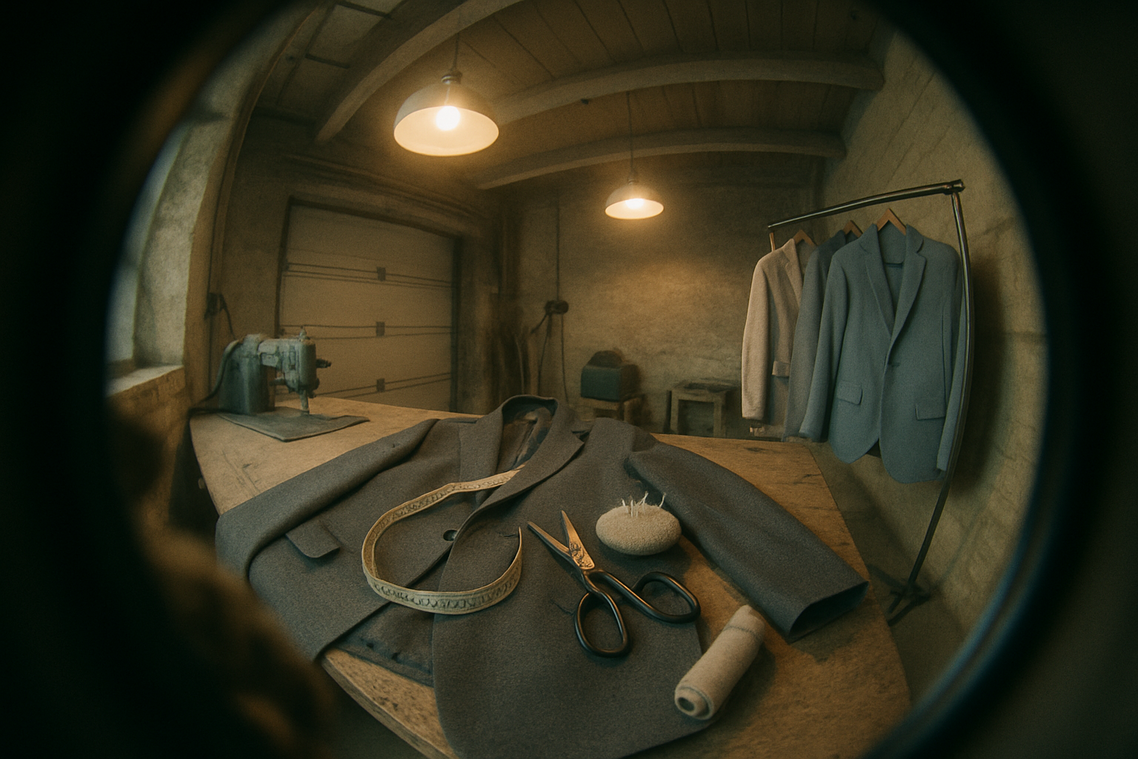
Creating shape in a high-end garment is about precision and control—sculpting cloth the way a marble artist shapes stone. The difference between “nice” and “couture” often comes down to how fabric is manipulated to follow the body’s natural curves (because fabric, left alone, just hangs there).
Let’s start with Contour Darts. Unlike straight darts, these are gently curved to mirror the bust and waist. They’re pressed over a tailor’s ham—a rounded pressing tool that helps mold fabric into three-dimensional form. I recommend choosing contour darts whenever you want a seamless, body-skimming fit, especially in dresses or structured blouses. They prevent that awkward pointy finish (you know the one).
Next, understand the distinction between Pin Tucks and Pleating. Pin tucks are narrow, stitched folds that add delicate texture—ideal for romantic blouses. Knife pleats, by contrast, are sharply pressed folds that create architectural movement in skirts. If you want drama and flow, go pleats. If you want subtle refinement, choose pin tucks.
Finally, Hand-Gathering and Shirring. While machines can gather fabric quickly, hand-gathering with two or three parallel lines of basting stitches offers superior control and even fullness. For ruffles or sleeve heads, I strongly recommend hand-finishing—it’s the quiet luxury detail that separates custom from costume (think period dramas done right).
Building Beauty From the Inside Out
You set out to understand why some garments look undeniably luxurious while others feel simply homemade. Now you can see the difference lies beneath the surface—in the deliberate, meticulous construction methods hidden from view.
The frustration of spending hours on a piece that still lacks polish is real. That “almost there” finish often comes down to what’s happening inside the garment. Mastering couture tailoring techniques—from internal structure to refined seam finishes and handcrafted details—is what transforms a good sewer into a true artisan.
You don’t need to overhaul your entire process overnight. Start with one upgrade: a French seam, a hand-picked zipper, a carefully structured bodice. Even a single elevated detail can dramatically improve the final result.
Your goal was to create garments that feel exceptional, not just acceptable. This is how you achieve it—by building beauty from the inside out.
Ready to eliminate the homemade look for good? Explore more expert-backed fashion insights and elevated sewing techniques now—trusted by thousands of style-driven creators—and start crafting pieces that aren’t just worn, but truly treasured.

 There is a specific skill involved in explaining something clearly — one that is completely separate from actually knowing the subject. Jarod V. has both. They has spent years working with everyday styling hacks in a hands-on capacity, and an equal amount of time figuring out how to translate that experience into writing that people with different backgrounds can actually absorb and use.
Jarod tends to approach complex subjects — Everyday Styling Hacks, Designer Runway Reviews, Unique Finds being good examples — by starting with what the reader already knows, then building outward from there rather than dropping them in the deep end. It sounds like a small thing. In practice it makes a significant difference in whether someone finishes the article or abandons it halfway through. They is also good at knowing when to stop — a surprisingly underrated skill. Some writers bury useful information under so many caveats and qualifications that the point disappears. Jarod knows where the point is and gets there without too many detours.
The practical effect of all this is that people who read Jarod's work tend to come away actually capable of doing something with it. Not just vaguely informed — actually capable. For a writer working in everyday styling hacks, that is probably the best possible outcome, and it's the standard Jarod holds they's own work to.
There is a specific skill involved in explaining something clearly — one that is completely separate from actually knowing the subject. Jarod V. has both. They has spent years working with everyday styling hacks in a hands-on capacity, and an equal amount of time figuring out how to translate that experience into writing that people with different backgrounds can actually absorb and use.
Jarod tends to approach complex subjects — Everyday Styling Hacks, Designer Runway Reviews, Unique Finds being good examples — by starting with what the reader already knows, then building outward from there rather than dropping them in the deep end. It sounds like a small thing. In practice it makes a significant difference in whether someone finishes the article or abandons it halfway through. They is also good at knowing when to stop — a surprisingly underrated skill. Some writers bury useful information under so many caveats and qualifications that the point disappears. Jarod knows where the point is and gets there without too many detours.
The practical effect of all this is that people who read Jarod's work tend to come away actually capable of doing something with it. Not just vaguely informed — actually capable. For a writer working in everyday styling hacks, that is probably the best possible outcome, and it's the standard Jarod holds they's own work to.