
You know the drill: eco-friendly fashion means shapeless beige sacks, right? Wrong. This article is here to smash that misconception.
I get it. You want to embrace sustainability without losing your style edge. Who doesn’t want to rock their personal style and stay trend-aware?
That’s why I’m diving deep into sustainable fashion trends.
I’ve been tracking where fashion is headed for ages. Real innovation in style now has sustainability at its core. It’s not just about being green; it’s about doing it with flair.
You’re not alone if you’re wondering how to strut your stuff sustainably.
Here, you’ll find a visually-driven guide to chic, trending eco-friendly fashion styles. Trust me, you’ll walk away with the know-how to mix sustainability and fashion without compromise. Ready to transform your closet?
Let’s get started.
Redefining Eco-Chic: What It Means Today
Forget the old-school “eco-friendly” label. It’s a spectrum now. Sustainable fashion trends are shaking things up.
We’re talking circularity (closing the loop), slow fashion (quality over quantity), and conscious consumption. It’s not just about materials like Tencel or Piñatex. It’s a mindset shift.
Think sustainability is pricey? Let’s bust that myth. It’s about investing in timeless pieces, buying secondhand, or even repairing clothes.
These choices can save money. And let’s face it, the most stylish people are embracing this. Sustainability has become the ultimate status symbol.
Remember those celebrity styles changing fashion? They’ve jumped on the sustainable bandwagon too. Check out Celebrity Styles Changing Fashion for a taste.
It’s not just a trend; it’s a movement.
Now, let’s talk trade-offs. Fast fashion might seem cheaper, but it’s costly in the long run (both for your wallet and the planet). You could buy ten cheap shirts that fall apart or one quality piece that lasts.
Easy choice, right?
So, are you ready to redefine your wardrobe? Sustainable fashion isn’t just a trend. It’s the future.
And it’s time we all got on board.
Style Profile: The Curated Minimalist
Ever looked at someone and thought, how do they make simple look so good? That’s the magic of the curated minimalist. Clean lines, neutral palettes, and silhouettes that seem to defy time.
And let’s talk about fabrics. Impeccable quality is non-negotiable.
Why is this style inherently sustainable? Well, it’s all about the ‘buy less, but better’ mindset. You end up with a capsule wardrobe that doesn’t just survive seasons, it thrives through them.
Ever heard of sustainable fashion trends? They’re not just buzzwords. They mean investing in fewer pieces that stand the test of time.
Now, let’s get practical. Want a minimalist wardrobe yourself? Start with five key items.
A trench coat that fits like it was made for you. An organic cotton white t-shirt (it’s a classic for a reason). Tailored recycled-wool trousers, because why compromise on comfort or style?
Throw in a versatile cashmere sweater and a pair of leather boots that scream elegance.
Material matters. Look for GOTS-certified cotton and RWS-certified wool. Tencel Lyocell is an excellent choice too.
Comfort without environmental guilt.
Brands like Everlane and Stella McCartney nail this style. Their craftsmanship shows a commitment to sustainability that’s worth your investment. Everlane is about transparency in production (no secrets here), while Stella McCartney is synonymous with ethical luxury.
So why not adopt this style? It’s a win for your wardrobe and the planet. A true minimalist looks polished, feels good, and makes conscious choices.
Does it get better than that?
Style Profile: The Vintage Visionary
You know what makes a wardrobe truly unique? Those story-rich pieces from past decades. I’m talking about 70s bohemian flair and that unmistakable 90s grunge.
It’s not just about looking cool (though, let’s be real, you will). It’s also about embracing sustainable fashion trends. The environmental benefits of thrifting are huge.
You’re reducing landfill waste and curbing the demand for new production. That’s a win, right?
When you’re hunting vintage, look for quality. Feel the fabric. Check stitching.
Spot potential. A good tailor is your secret weapon here. They can take something almost-perfect to perfect.
Trust me on this. I’ve rescued some questionable finds with a few snips and stitches. But remember, you want to avoid looking like you’re in a costume parade.
Blend vintage pieces into your modern wardrobe. Pair a vintage tee with skinny jeans or those iconic 90s Doc Martens with a sleek blazer.
Pro tip: Know where to hunt. Online marketplaces make this easy. Use keywords like “vintage Levi’s,” “retro Nike sneakers,” or “boho maxi dress” to zero in on those gems.
And here’s a twist. Our obsession with the past can meet the future. Ever heard of Tech Meets Fashion Smart Clothing?
It’s where technology and style collide in the most fascinating way.
Bottom line? Vintage isn’t just a style. It’s a statement.
And it’s paving the way for more sustainable choices in the fashion world. Who knew being stylish and eco-friendly could go hand in hand?
Style Profile: The Upcycled Innovator
Upcycled fashion is not just a trend; it’s a revolution. I mean, who wouldn’t want to wear something truly one-of-a-kind? Every piece tells a story.
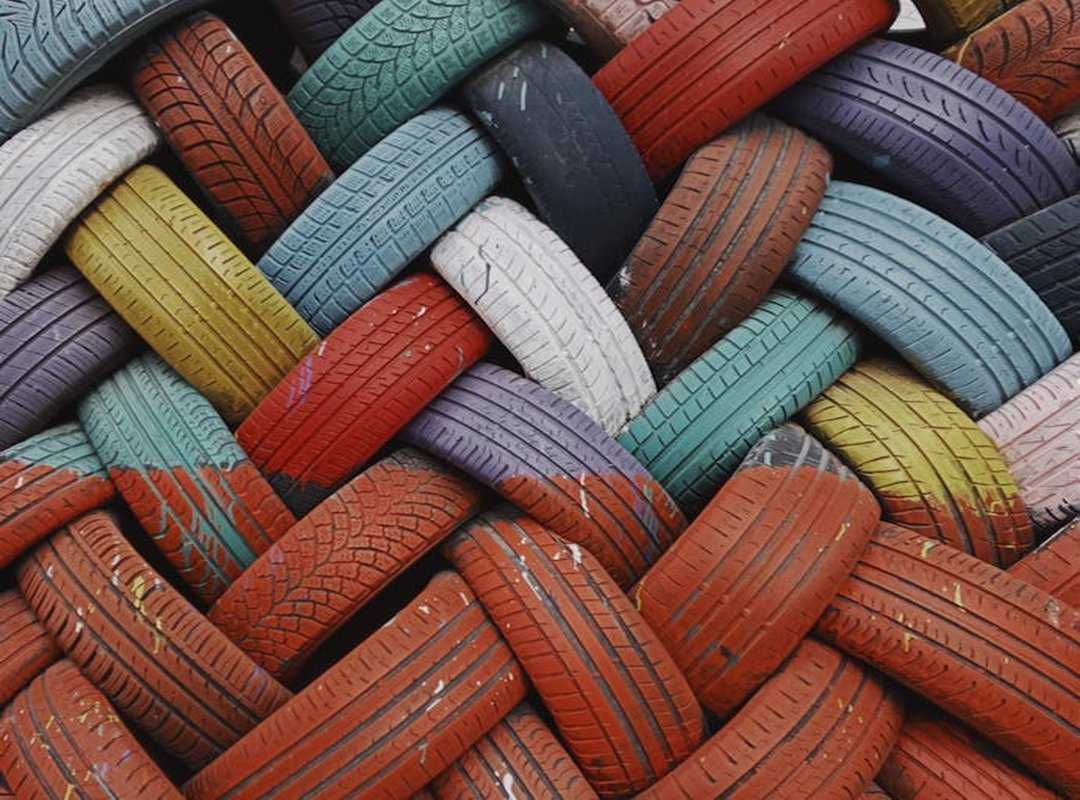
This aesthetic thrives on individuality and creativity, transforming old garments into avant-garde masterpieces. It’s like painting with fabric, where each cut and stitch adds a new life to forgotten threads.
You’ve probably noticed high-fashion designers jumping on this sustainable wave. Balenciaga’s recent collection was a fantastic example. They took deadstock fabrics and turned them into runway gold.
It’s a bold move that’s reshaping what luxury looks like. Honestly, it’s inspiring to see such resourcefulness celebrated on the world stage.
Speaking of resourcefulness, if you’re itching to try upcycling, start simple. Ever thought about cropping and distressing a denim jacket? It’s easier than you think and adds instant edge to your wardrobe.
Or go natural: dye a faded t-shirt using avocado pits. Nature provides the best hues, with no chemicals needed.
But what exactly is this “deadstock” everyone’s buzzing about? Deadstock refers to unused fabric left behind by manufacturers. Buying from brands that use these materials is a step towards a more sustainable future.
Ultimately, upcycling pushes us to rethink waste and value creativity. It’s more than just a style choice; it’s a movement. We express individuality while supporting the planet.
We can support sustainable fashion trends just by choosing wisely.
The future of fashion is here, and it’s upcycled. What will you create next?
The Details That Matter: Conscious Accessorizing
Want a sustainable fashion trend punch? It’s not all about clothes. Look at your accessories.
Swap that leather handbag for one made from plant-based materials. It’s like trading a gas guzzler for an electric car without all the drama. How about jewelry?
Repairing is way cooler than replacing. Finding a good shoe repair service can be like finding a great hairstylist. They keep your classics alive.
Opt for pieces crafted from recycled metals. It sounds fancy, doesn’t it? Let’s talk shoes (because we all have that favorite pair).
Accessories aren’t just details. They’re your statement to the world.
Find Your Style, Make a Difference
You don’t have to choose between looking good and doing good. Forget the myths. Sustainable fashion trends let you express your diverse and creative self without the guilt. This is personal.
So here’s the challenge: in the next month, pick one style profile from our article. Then find a secondhand or sustainably-made piece that fits. Do it now, and redefine your style signature.
You’ll look great and feel even better. Ready to make that change?

 Larry Busselinalo writes the kind of designer runway reviews content that people actually send to each other. Not because it's flashy or controversial, but because it's the sort of thing where you read it and immediately think of three people who need to see it. Larry has a talent for identifying the questions that a lot of people have but haven't quite figured out how to articulate yet — and then answering them properly.
They covers a lot of ground: Designer Runway Reviews, Style Buzz, Willistyle Couture Analysis, and plenty of adjacent territory that doesn't always get treated with the same seriousness. The consistency across all of it is a certain kind of respect for the reader. Larry doesn't assume people are stupid, and they doesn't assume they know everything either. They writes for someone who is genuinely trying to figure something out — because that's usually who's actually reading. That assumption shapes everything from how they structures an explanation to how much background they includes before getting to the point.
Beyond the practical stuff, there's something in Larry's writing that reflects a real investment in the subject — not performed enthusiasm, but the kind of sustained interest that produces insight over time. They has been paying attention to designer runway reviews long enough that they notices things a more casual observer would miss. That depth shows up in the work in ways that are hard to fake.
Larry Busselinalo writes the kind of designer runway reviews content that people actually send to each other. Not because it's flashy or controversial, but because it's the sort of thing where you read it and immediately think of three people who need to see it. Larry has a talent for identifying the questions that a lot of people have but haven't quite figured out how to articulate yet — and then answering them properly.
They covers a lot of ground: Designer Runway Reviews, Style Buzz, Willistyle Couture Analysis, and plenty of adjacent territory that doesn't always get treated with the same seriousness. The consistency across all of it is a certain kind of respect for the reader. Larry doesn't assume people are stupid, and they doesn't assume they know everything either. They writes for someone who is genuinely trying to figure something out — because that's usually who's actually reading. That assumption shapes everything from how they structures an explanation to how much background they includes before getting to the point.
Beyond the practical stuff, there's something in Larry's writing that reflects a real investment in the subject — not performed enthusiasm, but the kind of sustained interest that produces insight over time. They has been paying attention to designer runway reviews long enough that they notices things a more casual observer would miss. That depth shows up in the work in ways that are hard to fake.