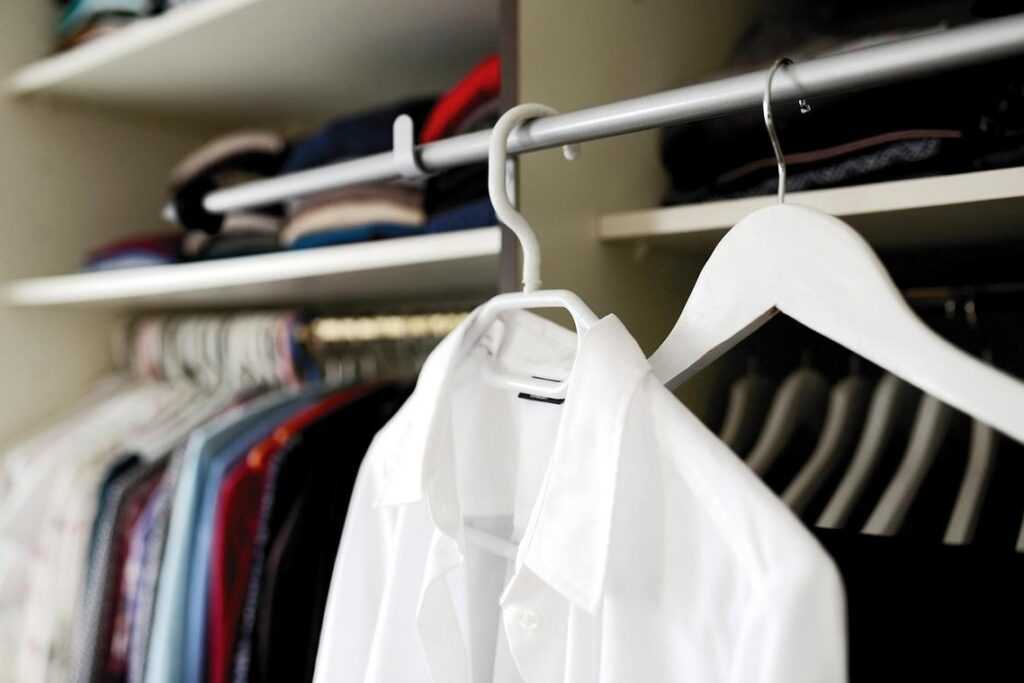
If you’re searching for clarity on the sustainable fashion movement, you’re likely trying to separate meaningful change from marketing noise. With brands, influencers, and designers all claiming eco-conscious credentials, it’s harder than ever to know what truly makes fashion sustainable—and what it means for your wardrobe.
This article breaks down what defines the sustainable fashion movement, how it’s influencing runway collections and everyday street style, and which innovations are actually reshaping the industry. From responsible materials and ethical production to circular design and conscious styling, you’ll gain a clear understanding of how sustainability shows up in real-world fashion.
Our insights are grounded in in-depth runway analysis, ongoing trend tracking, and careful evaluation of brand practices across the industry. Whether you’re refining your personal style or making more informed shopping choices, this guide will help you navigate sustainable fashion with confidence and intention.
Beyond the Label: How Your Style Choices Can Reshape the Fashion World
You love new drops. But you also know the environmental bill is coming due. Fast fashion’s model—rapid production of low-cost, trend-driven clothing—relies on overproduction and waste (the “wear once, post once” era). Critics argue individual choices don’t matter against billion-dollar brands. Fair. Yet consumer demand has repeatedly shifted industries, from organic food to clean beauty (Nielsen, 2015).
Here’s how to act now:
- Build a capsule wardrobe (a tight edit of versatile staples).
- Thrift or rent statement pieces.
- Check fabric labels for natural fibers.
These steps plug you directly into the sustainable fashion movement—without sacrificing style.
The Conscious Closet Audit: Unlocking the Potential of What You Already Own
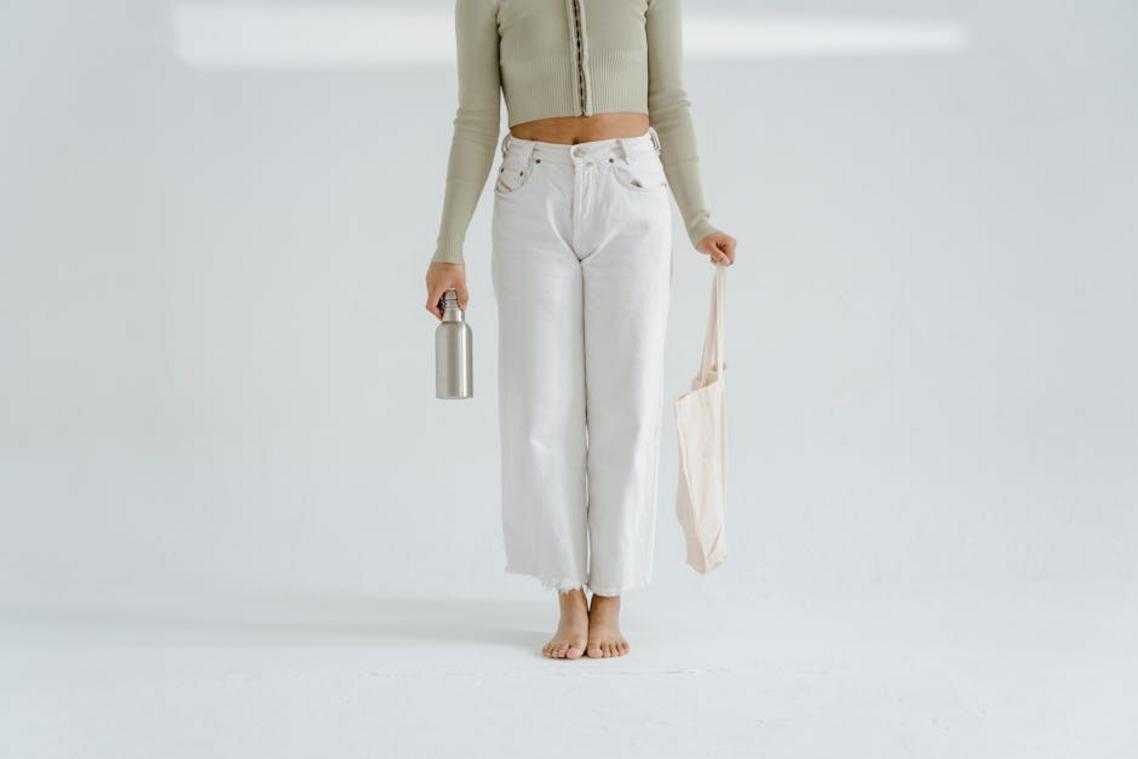
First, let’s reframe the idea of “shopping.” The Shop Your Wardrobe philosophy isn’t about restriction—it’s about rediscovery. In fact, it’s arguably the purest form of participation in the sustainable fashion movement. Instead of chasing trends, you maximize what’s already hanging in your closet (yes, even that impulse-buy blazer).
Actionable Step 1: The 30 Wears Test
Start by asking: Will I wear this at least 30 times? If not, why? The 30 Wears Test—a benchmark popularized by sustainability advocates—helps you spot high-quality, versatile staples. Look for durable fabrics, neutral colors, and pieces that layer easily. For example, a structured black trouser can move from office to dinner with just a shoe swap. Pro tip: If you can style it three ways in under five minutes, it’s a keeper.
Actionable Step 2: Repair and Tailor
Next, fix what’s fixable. Sew a loose button. Hem those dragging jeans. Moreover, a skilled tailor can reshape an oversized dress into a custom-fit gem (seriously, it’s fashion alchemy).
Styling Hack: The Art of the Restyle
Take a white shirt:
- Tucked into trousers with loafers for work.
- Open over a tank and jeans for weekend ease.
- Layered under a slip dress for evening edge.
Ultimately, versatility—not volume—is the real style flex.
Decoding the Tags: How to Be a Smarter, More Informed Shopper
The Greenwashing Problem
Ever notice how everything is suddenly “eco-friendly” or “green”? Those words sound reassuring, but they’re often undefined marketing terms. Greenwashing is when brands exaggerate or fabricate sustainability claims to appear responsible without meaningful action. Think of it as the fashion equivalent of putting a salad next to a cheeseburger and calling the whole meal healthy. According to the Federal Trade Commission, vague environmental claims without proof can mislead consumers (FTC Green Guides). The goal isn’t to feel cynical—it’s to feel informed.
Material Matters – A Quick Guide
If you’re unsure where to start, focus on fabric labels.
- Instead of conventional cotton, look for: Organic Cotton (GOTS certified) or Recycled Cotton.
- Instead of virgin polyester, look for: Recycled Polyester (rPET) or Tencel™ Lyocell.
- Instead of conventional leather, look for: Vegetable-tanned leather or innovative plant-based alternatives.
Organic cotton is grown without synthetic pesticides. rPET is polyester made from recycled plastics (yes, often water bottles). Tencel™ Lyocell is derived from sustainably sourced wood pulp in a closed-loop process that reuses water and solvents.
Certification Cheat Sheet
Logos can feel like alphabet soup, so here’s clarity:
- GOTS (Global Organic Textile Standard): Verifies organic fibers and strict environmental and labor criteria.
- Fair Trade Certified: Ensures workers receive fair wages and safe conditions.
- OEKO-TEX® Standard 100: Tests textiles for harmful substances.
These certifications turn guesswork into signals you can trust.
As the sustainable fashion movement grows, understanding labels becomes your superpower. And if you’re curious how trends shift from catwalk to closet, explore from runway to real life trend evolution.
The Thrill of the Find: Championing Pre-Loved, Vintage, and Circular Style
Let’s redefine “used.” In fashion, pre-loved means curated, storied, and one-of-a-kind. A vintage blazer isn’t old—it’s archived. A silk scarf from the ’80s carries craftsmanship and character that fast fashion rarely replicates (and no one else at brunch will have it). This mindset shift sits at the heart of the sustainable fashion movement, where individuality beats mass production.
Where to look? Start locally: consignment boutiques offer edited selections, while flea markets reward patient treasure hunters. Online, platforms each serve a niche:
- The RealReal (https://www.therealreal.com) for authenticated luxury.
- Vestiaire Collective for global designer resale.
- Depop for Gen Z-driven, trend-forward finds.
If you’re worried vintage will feel costume-y, here’s the fix: anchor one statement piece with modern basics. Pair a structured 1990s designer blazer with straight-leg jeans and minimalist sneakers. Knot a bold silk scarf onto a neutral handbag for polish without drama. Pro tip: Tailoring transforms vintage from “almost” to “made for you.”
And for commitment-phobes? Rental services let you test-drive trends or secure gala-ready looks without long-term closet space. Smart, stylish, and storage-friendly (your wardrobe will thank you).
Your Voice Is a Megaphone
Think of today’s consumer as a DJ at a party: the brands spin the tracks, but you control the volume. With every comment, tag, and share, you turn certain messages up. Social media has made feedback instant, and brands monitor it like hawks (yes, even that label you think is too big to notice).
If you want answers, ask directly:
- “Can you tell me more about who made this garment?”
- “What steps are you taking to reduce water usage?”
- “Do you publish supplier transparency reports?”
These questions act like flashlights, illuminating what’s usually behind the curtain.
When you vote with your dollar, it’s like casting a ballot in a style election. Supporting transparent labels strengthens the sustainable fashion movement and signals demand.
Finally, share your journey. Post your thrift wins. Celebrate mindful swaps. Communities grow the way trends do—one outfit at a time. Influence, after all, is contagious.
Building a wardrobe that reflects your values doesn’t require a dramatic closet purge. Instead, it’s about intentional shifts. Many argue one person can’t influence a trillion-dollar industry—and sure, that sounds logical. However, collective small actions reshape markets over time (just ask the farm-to-table movement). The sustainable fashion movement thrives on this mindset.
If you feel powerless, start here:
- Repair or tailor one item you love
- Thrift before buying new
- Ask brands about sourcing and labor
Mindful curation replaces impulse buying, resulting in distinctive, longer-lasting style. This week, choose one action and begin.
Own Your Style. Lead the Change.
You came here looking for clarity on the trends shaping today’s fashion scene—and now you have it. From runway revelations to wearable everyday hacks, you’re equipped to make smarter style choices that reflect who you are and where fashion is headed.
But here’s the truth: keeping up isn’t enough anymore. The real pain point isn’t finding clothes—it’s finding pieces that align with your values, elevate your confidence, and keep you ahead of the curve without overwhelming your wardrobe or your budget.
That’s where the sustainable fashion movement becomes more than a trend. It’s your opportunity to build a wardrobe that looks good, feels right, and stands the test of time.
Now it’s your move. Start refining your closet with intention. Explore curated insights, discover standout pieces, and apply the styling strategies that turn everyday outfits into statements. Join thousands of style-conscious readers who rely on us for trend-forward, practical fashion guidance.
Don’t just follow fashion—shape it. Dive in now and transform the way you dress, shop, and show up every single day.