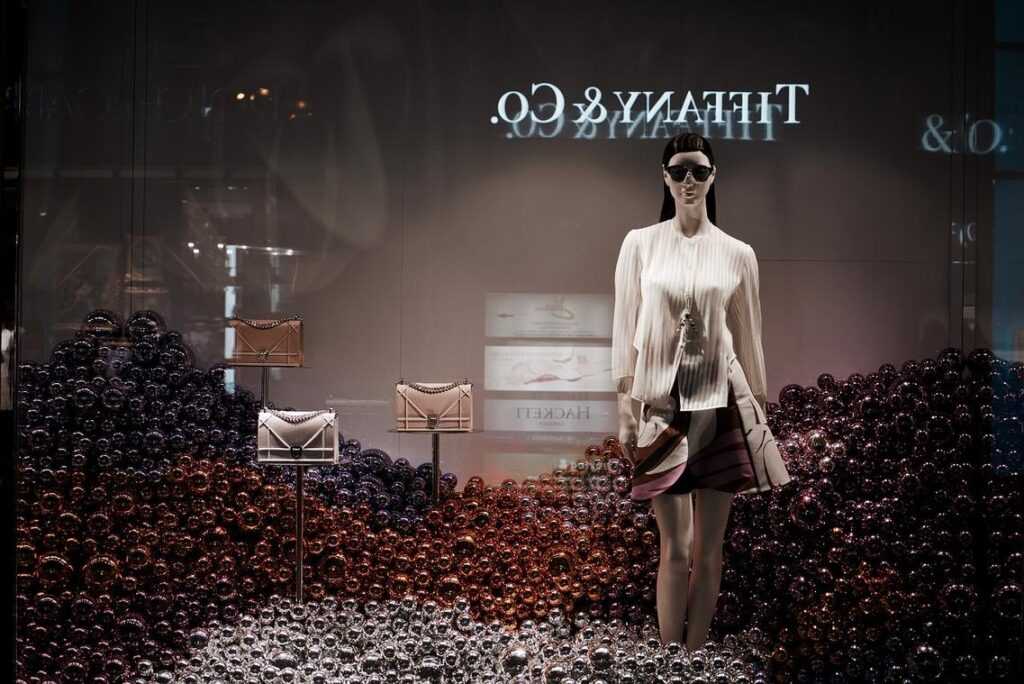
Ever watched a fashion show and wondered how those dramatic, avant-garde pieces turn into the clothes hanging in your favorite stores? This guide breaks down the journey from runway vs retail fashion, revealing how bold designer concepts evolve into wearable, everyday styles. High-fashion collections may seem disconnected from real life, but they quietly shape the colors, cuts, and details you see each season. Here, you’ll learn how trends trickle down, how long that transformation takes, and how to spot emerging looks early—so you can shop smarter, build a more intentional wardrobe, and confidently translate high-fashion inspiration into personal style.
The Runway as a Laboratory: The Purpose of High-Fashion
High-fashion runway shows are less department store catalog and more living art installation. Designers use them to present a thesis—an overarching creative argument expressed through silhouette, fabric, and form. In this sense, couture functions like a concept car at an auto show: it’s not built for your driveway, but it signals where design is headed (think Lady Gaga’s early red-carpet looks foreshadowing theatrical glam everywhere).
This is the real debate in runway vs retail fashion. Critics argue runway pieces are impractical, even absurd. Why make garments few people will wear? Because these shows introduce new cuts, color stories, and textile innovations that filter down into everyday wardrobes within seasons (as noted by Business of Fashion’s trend analyses). What looks exaggerated today becomes tomorrow’s tailored blazer.
The spectacle also drives marketing power. A viral runway moment can generate millions in earned media value, according to Launchmetrics. That prestige creates a “halo effect,” where fragrances, handbags, and ready-to-wear feel more desirable because they’re connected to visionary design.
Recommendation: Watch at least one full runway show each season before shopping. Then:
- Identify one emerging silhouette to try.
- Invest in one accessory that echoes the show’s mood.
(Pro tip: Start small—a color or fabric tweak counts.)
The Translation Process: How a Trend Reaches the Shelves
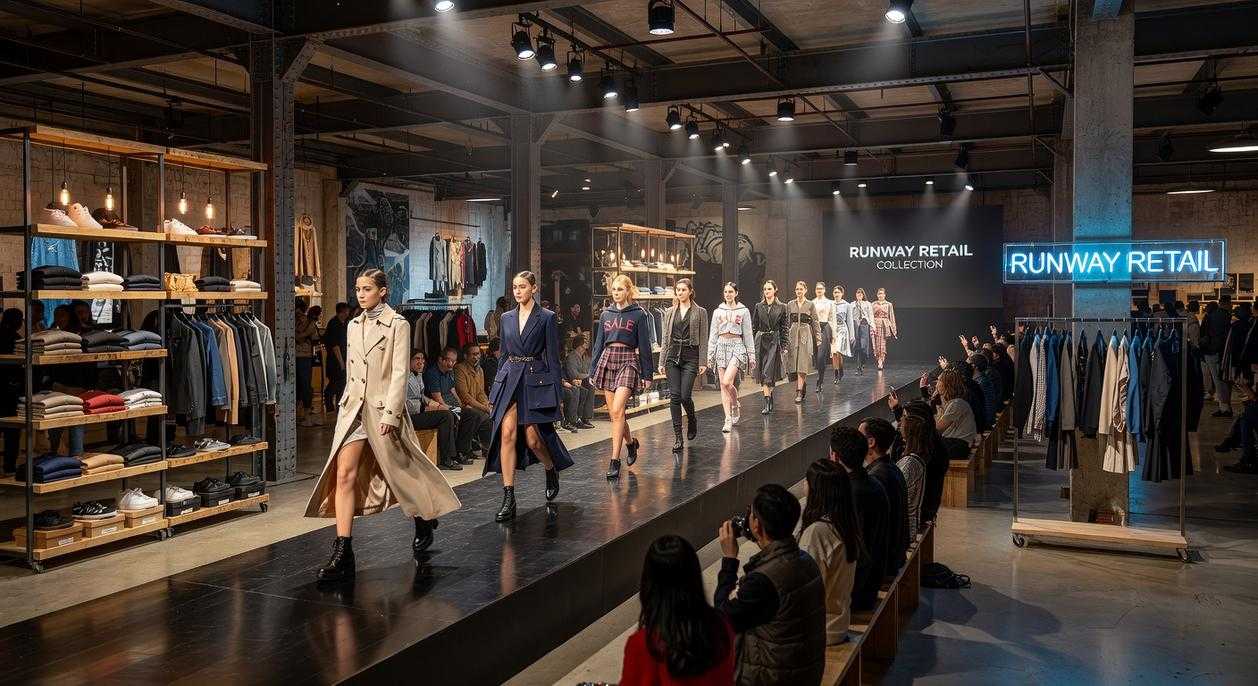
Trends don’t teleport from runway to rack. They’re filtered, refined, and reshaped—sometimes beyond recognition.
Step 1: The Distillation of Ideas
First, trend forecasters (professionals who predict consumer preferences using data, cultural cues, and market analysis) and retail buyers comb through collections. They aren’t copying entire looks. Instead, they isolate commercially viable details: a butter-yellow color story, sculpted shoulders, or a recurring floral motif.
For example, after reviewing paris fashion week highlights designer reviews, buyers might notice metallic finishes dominating eveningwear. Rather than reproduce a head-to-toe chrome look, they’ll select one adaptable element—say, a silver accent fabric.
Practical tip: When shopping, focus on one standout trend element per outfit. It feels current without looking costume-like.
Step 2: Material and Silhouette Adaptation
Next comes recalibration. Dramatic silhouettes are softened for everyday wear. Silk becomes viscose (a semi-synthetic fabric made from wood pulp), and genuine leather may become faux leather for affordability and durability.
This is where runway vs retail fashion visibly diverge. What’s editorial fantasy on the catwalk becomes functional reality in-store.
Pro tip: Check fabric labels. A smart material swap can make a trend more breathable, washable, and budget-friendly.
Step 3: The Role of Fast Fashion
Fast-fashion retailers compress timelines dramatically, turning runway inspiration into store-ready pieces in weeks. Critics argue this accelerates waste and dilutes originality—and they’re not wrong. However, it also democratizes access to trend-driven style.
Example in Action
Imagine an oversized, feather-trimmed blazer. On shelves? A slightly boxy blazer, clean-lined, in the season’s trending hue. The drama is dialed down—but the essence remains (and your commute thanks you).
At first glance, runway vs retail fashion can look like twins separated at birth. Look closer, and the differences are deliberate. High-end proportions often exaggerate the human frame—ultra-wide shoulders sweeping through Paris showrooms in the 1st arrondissement, or hemlines puddling dramatically over cobblestones outside Milan’s Via Montenapoleone. Retail versions recalibrate those extremes into wearable ratios that flatter a broader size curve (because most of us are commuting, not posing for Vogue).
Fabric and construction tell another story. Runway garments may feature hand-finished seams, silk gazar, or complex draping techniques borrowed from couture ateliers. Retail pieces prioritize washability, durability, and streamlined production cycles timed to global drop calendars. That efficiency isn’t laziness; it’s logistics.
Styling also shifts the message. On the runway, looks are layered conceptually to communicate a theme—think dystopian tailoring or seaside nostalgia. In-store displays break the fantasy into digestible outfits you can wear to brunch in SoHo.
The price gap reflects more than a label. Craftsmanship, rare materials, limited runs, and skilled labor drive costs up, while mass production drives them down. Some argue retail democratizes style—and they’re right. But exclusivity, like front-row seats at Fashion Week, is part of the allure. And that tension fuels fashion today.
How to Wear Runway-Inspired Trends Without Looking Over-the-Top
Runway looks are designed to make a splash. Real life? Not always so forgiving. The trick is restraint.
First, focus on a single element. If bold shoulders dominate the season, choose a blouse with a subtle puff rather than a full power-suit silhouette. You’re borrowing the idea, not the costume. (Think red carpet drama edited for brunch.) This approach keeps your outfit modern without feeling theatrical.
Next, incorporate trends through color and texture. Designers often spotlight specific hues—like millennial pink—or tactile fabrics such as bouclé and sheer overlays. When these are applied to classic cuts, like a tailored blazer or simple midi dress, the look feels intentional and wearable. This is where runway vs retail fashion truly diverge: one inspires, the other adapts.
Finally, accessorize wisely. A sculptural handbag or statement shoe can signal trend-awareness instantly. Pro tip: keep the rest of your outfit neutral so your accessory actually shines.
Your New Lens for Trend-Aware Shopping
You came here to understand how a designer’s bold, abstract vision transforms into something you can actually wear—and now you have that lens. You can clearly see the connection between inspiration and execution, between statement pieces and everyday style. The relationship between runway vs retail fashion isn’t distant or disconnected; it’s a creative cycle that brings high-concept ideas straight to your closet.
Next time you’re shopping, don’t just browse—analyze. Spot the silhouettes, fabrics, and details that once walked a runway. The frustration of feeling out of touch with high fashion ends here. Start shopping smarter today and turn every purchase into a trend-aware style win.