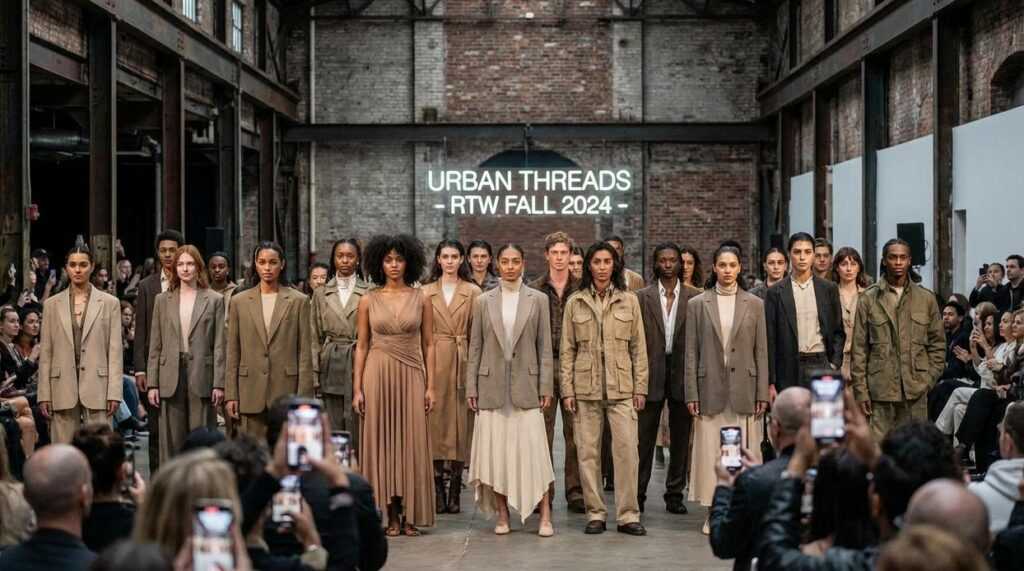
If you’ve been trying to decode the latest runway moments, viral street style looks, and designer drops, you’re in the right place. Fashion moves fast — one week it’s sculptural silhouettes, the next it’s effortless minimalism — and keeping up with what actually matters can feel overwhelming. This article breaks down the most talked-about trends, standout runway highlights, and the subtle styling shifts shaping everyday wardrobes right now.
We’ll also explore the ongoing conversation around haute couture vs ready-to-wear, unpacking what truly separates artistry from accessibility — and why both influence what ends up in your closet. From statement pieces seen on international runways to practical styling hacks you can use immediately, every insight here is grounded in careful trend tracking, designer collection analysis, and close observation of emerging fashion movements.
Whether you’re refining your personal style or simply staying ahead of what’s next, this guide delivers clarity, context, and wearable inspiration.
The Runway and the Rack
A breathtaking, one-of-a-kind gown glides down the runway, feathers trembling under chandelier light. Across town, a sleek dress waits in a boutique window, price tag neatly pinned. I once assumed they were variations of the same dream—just different price points. That mistake cost me credibility.
The confusion around haute couture vs ready-to-wear is common. I used the terms interchangeably (cringe), not realizing couture is custom, hand-stitched artistry, while ready-to-wear is factory-produced in standardized sizes.
- Lesson learned: craftsmanship, creation process, and purpose define value.
Understanding this difference turns casual shoppers into discerning fashion observers.
The Art of the Individual: What is Haute Couture?
Haute couture isn’t just a fancy phrase tossed around during Fashion Week. It’s a legally protected designation granted by the French Ministry of Industry. To qualify, a house must maintain a Paris-based atelier, employ a minimum number of full-time artisans, and present made-to-measure collections twice a year. No shortcuts. No outsourcing. This is FASHION at its most regulated and rarefied.
What competitors often overlook is the staggering human labor behind each look. A single gown can require thousands of hours of hand-sewing, microscopic bead placement, and even custom-developed fabrics engineered for one client’s vision. Think less “dress,” more wearable architecture. Each piece is crafted to a specific person’s measurements, posture, and movement—because couture is about the INDIVIDUAL, not the rack.
Skeptics argue it’s extravagant and outdated in a world chasing speed. But consider this: couture functions as fashion’s research lab. Many innovations that appear in haute couture vs ready-to-wear collections—new silhouettes, textile techniques, embellishment methods—begin in these ateliers.
And the clientele? Ultra-exclusive. Red carpet regulars, royalty, collectors. Yet profit isn’t the primary purpose. Influence is. Without couture’s fearless experimentation, what would trickle down to the rest of us?
Fashion for the Masses: Understanding Ready-to-Wear
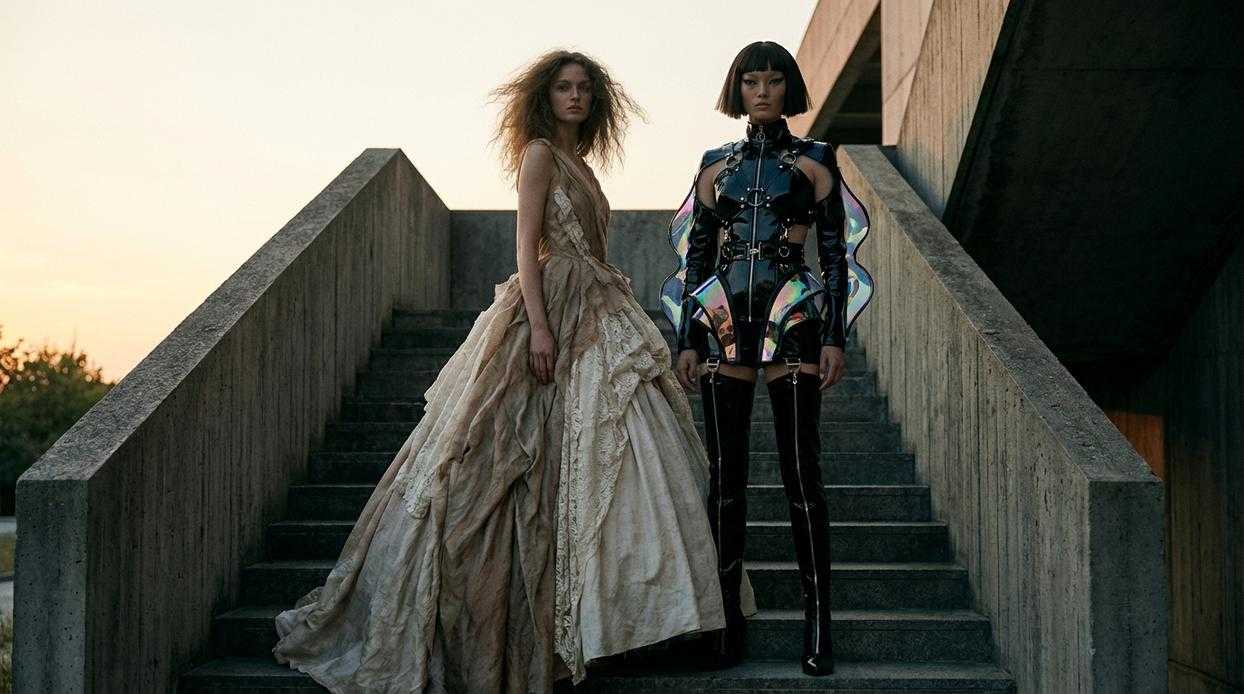
Ready-to-wear—also known by its French term prêt-à-porter—refers to factory-produced clothing made in standardized sizes and sold for immediate purchase. In practical terms, it’s the leather jacket you grab off a rack in SoHo or the tailored blazer shipped from a Milan showroom straight to global retailers. Unlike custom garments made for one client, ready-to-wear is designed for scale (because most of us can’t wait six months for a hemline).
That said, not all ready-to-wear is created equal. Designer or luxury ready-to-wear—think pieces unveiled during Paris Fashion Week—uses premium fabrics, skilled construction, and limited production runs. In contrast, high-street or fast fashion prioritizes speed and affordability, often turning runway trends into store-ready items within weeks. According to McKinsey’s State of Fashion reports, faster production cycles now define much of the global apparel market.
Critics argue that ready-to-wear dilutes creativity compared to couture. The haute couture vs ready-to-wear debate surfaces every season. However, ready-to-wear collections are the commercial engine of fashion houses, transforming theatrical runway statements into wearable revenue drivers.
For example, many looks referenced in paris fashion week highlights standout designer moments ultimately reappear as toned-down, sellable pieces in boutiques from New York to Tokyo.
In short, ready-to-wear democratizes style—without entirely sacrificing artistry.
Craft vs. Commerce: A Head-to-Head Breakdown
When people debate haute couture vs ready-to-wear, they’re really comparing two entirely different fashion ecosystems.
Production & Sizing
Couture (custom, made-to-measure fashion created for a single client) is crafted by hand, often requiring hundreds of hours of embroidery, draping, and fittings. Each piece is tailored to one body, one vision, one moment. Think multiple fittings, precise adjustments, and artisans sewing bead by bead (yes, literally one at a time).
Ready-to-wear, by contrast, is produced in standardized sizes—S, M, L, or numeric equivalents—and manufactured in larger quantities. While designer ready-to-wear may still involve quality control and premium construction, it follows an assembly-line model for scalability.
Practical tip: If you struggle with fit, invest in tailoring. Even a $150 ready-to-wear blazer can look couture-adjacent after $40 in alterations.
Materials & Quality
Couture houses often commission custom-loomed fabrics and source rare embellishments. According to The Business of Fashion, couture garments can require over 700 hours of handwork, driving both cost and exclusivity.
Ready-to-wear spans a spectrum. Designer labels may use silk blends or fine wool, while mass-market brands prioritize cost-effective synthetics to meet price demands.
Real-world example: A couture gown might feature hand-stitched lace from a single French atelier, while a retail version uses machine-made lace for durability and scale.
Price & Accessibility
Couture prices commonly reach five or six figures and are often available by private appointment only (yes, it’s that exclusive).
Ready-to-wear ranges from accessible high-street pricing to luxury designer collections sold globally.
Pro tip: If you love runway drama, shop designer ready-to-wear during end-of-season sales for a fraction of the original price.
Creative Freedom vs. Commercial Viability
Couture is pure artistic expression—fashion as sculpture. Ready-to-wear must consider wearability, trends, and quarterly sales targets.
Neither is “better.” One is art without compromise; the other is art that fits into real life—and your closet.
From atelier sketches to storefront racks, the trickle-down effect is real. In fashion, silhouettes (the outline of a garment) debut dramatically in couture before softening for mass wear. For example, Schiaparelli’s sculpted, gilded shoulders in 2024 reappeared a season later as padded blazers at Zara. Similarly, Chanel’s feather-light tweed capes evolved into streamlined caped coats on Net-a-Porter.
Critics argue runway theatrics rarely translate to real closets. However, history shows otherwise. Designers test bold color palettes and fabric treatments in haute couture vs ready-to-wear pipelines, refining what resonates.
Meanwhile, couture’s halo effect boosts handbag and fragrance sales—prestige makes practicality feel luxurious.
High fashion isn’t just expensive clothing; it’s a philosophy. The real divide is haute couture vs ready-to-wear: bespoke artistry shaped in Paris ateliers versus mass-produced commerce shipped by the truckload. When you shop, adopt the couture mindset. Study fabric like a buyer at Première Vision, check seam finishes, demand tailoring that skims your shoulders perfectly. Trends fade faster than SoHo pop-ups (remember last season’s micro-bag craze?). Instead, invest in one impeccably cut blazer or wool coat you’ll wear for years. Choose longevity over volume. Pro tip: budget for alterations—they’re transformative. Quality whispers; hype shouts. Let craft, not logos, lead. Always.
Mastering haute couture vs ready-to-wear for Your Personal Style
You came here to finally understand the real difference between haute couture vs ready-to-wear—and now you have the clarity to see how each shapes the fashion world and your wardrobe. No more confusion about craftsmanship, exclusivity, accessibility, or how runway artistry translates into everyday style.
The truth is, most fashion lovers struggle with turning inspiration into wearable confidence. It’s frustrating to admire couture drama or ready-to-wear practicality and still feel unsure about how it fits your personal look.
Now that you know how both worlds work, it’s time to apply it. Start evaluating your wardrobe with intention. Invest in statement pieces inspired by couture detail, and balance them with versatile ready-to-wear staples that fit your lifestyle.
If you’re tired of guessing what’s worth wearing or buying, stay connected with us for insider runway breakdowns, practical styling hacks, and curated fashion finds that actually elevate your closet. Join thousands of style-savvy readers who rely on us for sharp, trend-forward insights.
Don’t just follow fashion—understand it, own it, and wear it with confidence. Explore the latest guides and elevate your style today.