
Fashion moves fast, and if you’re searching for the latest on runway trends, Willistyle couture, and practical styling advice you can actually use, you’re in the right place. This article breaks down what’s trending right now—from standout designer moments to everyday wardrobe upgrades—so you can stay ahead without feeling overwhelmed. We focus on translating high-fashion inspiration into real-life looks, complete with accessorizing tips that elevate even the simplest outfits.
Our insights are grounded in consistent runway analysis, trend tracking, and hands-on styling experience. Instead of recycling surface-level trends, we connect the dots between what’s shown on the catwalk and what works in your closet. Whether you’re refining your signature aesthetic or experimenting with bold new pieces, you’ll find curated guidance, practical accessorizing tips, and sharp fashion observations designed to help you dress with confidence and individuality.
Ever put on an outfit that looks good in the mirror, yet somehow falls flat by the time you reach the door? That almost-there feeling is common. The problem isn’t the clothes; it’s the missing focal point, the spark that turns basic into brilliant. In my view, accessories are the difference between background extra and main character energy. However, tossing on random pieces won’t cut it. This guide offers a clear framework, not scattered accessorizing tips, grounded in runway trends and real-life styling. So instead of more stuff, you’ll choose pieces with purpose and polish. Every detail should earn attention.
The Foundation: Mastering Scale, Proportion, and Balance
Great style starts with understanding visual weight—the way certain pieces naturally draw the eye. For example, a chunky necklace commands attention, while a delicate chain whispers refinement. According to research published in Frontiers in Psychology, humans process visual hierarchy in milliseconds, gravitating toward larger, bolder elements first. In other words, scale isn’t random; it’s science. Therefore, pairing statement earrings with an equally bold necklace can feel overwhelming (think costume drama, not curated chic). Instead, balance bold with subtle.
Next comes The Rule of Three, a classic styling principle suggesting that groupings of three feel complete and harmonious. Earrings, necklace, bracelet—done. Stylists frequently rely on triads because odd-numbered groupings create visual interest without symmetry fatigue.
When it comes to accessorizing for your body type, proportion is everything. Longer necklaces elongate shorter necklines, while cuffs can add presence to slimmer wrists. Conversely, oversized bags may overpower petite frames.
Consider a simple black dress. Add gold hoops, a sleek bangle, and pointed heels for polish. Swap in a bib necklace and stacked bracelets for drama. These accessorizing tips prove that small shifts in scale create entirely different effects—no wardrobe overhaul required.
Adding Depth: The Strategic Use of Color and Texture
Beyond Matching: Color with Intention
Matching shoes to your bag? Safe. Complementary colors (opposites on the color wheel) vs. analogous colors (neighbors on the wheel) create energy vs. harmony. Think blue dress with burnt orange earrings (bold contrast) versus blue with teal (smooth sophistication). Some argue matching looks polished—and yes, it can. But intentional contrast often feels more editorial than expected (and less like a department store mannequin).
- Quick Tip: Pull a single accent color from a patterned piece and repeat it in your accessories for cohesion without overmatching.
Mixing Metals: Old Rules vs. Modern Styling
Gold or silver used to be the rule. Now? Gold + silver + rose gold layered together feels curated. The key difference: random stacking vs. balanced distribution. Repeat each metal at least twice so it looks deliberate, not accidental.
The Power of Texture
Leather + metal = edgy. Silk + pearls = refined. Wood + beads = earthy. Texture (the surface feel of a material) adds dimension the way lighting adds depth in film. Flat cotton with flat plastic can fall short; contrast creates interest.
For foundational pieces that make this easier, revisit your wardrobe essentials checklist versatile closet.
Use accessorizing tips in the section once exactly as it is given.
Statement vs. Staple: Knowing When to Go Bold
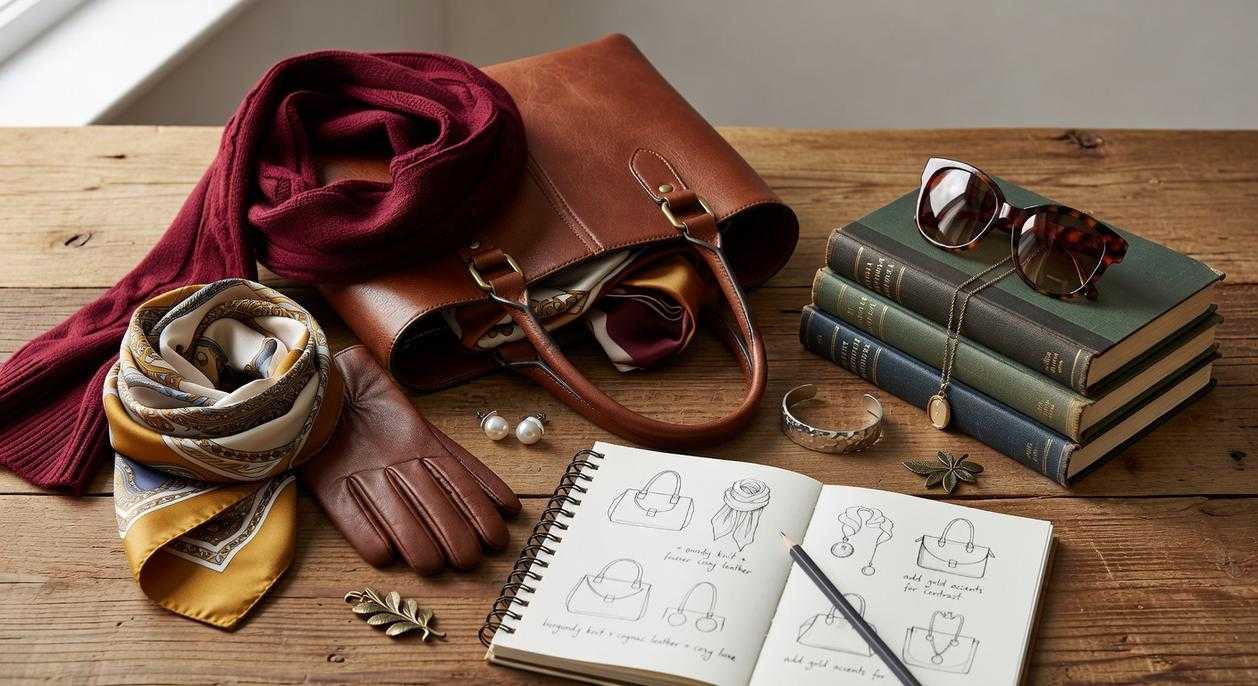
I once wore chandelier earrings, a chunky cuff, and a neon clutch—at the same time. In photos, I looked less “fashion forward” and more “walking jewelry display.” Lesson learned: define your hero piece.
A statement accessory is the item that commands attention—the star of the outfit. Think oversized Balmain earrings or a sculptural bag that feels like modern art. The rule? Let one piece lead while the rest whisper. One spotlight is powerful; three is chaos.
Building around your statement means choosing subtle supports. If your hero is a bold necklace, opt for tiny studs and a slim ring. These staples (timeless, versatile basics) frame the look without competing. This is where smart accessorizing tips matter most.
The art of layering requires restraint:
- Start with a base chain or slim bracelet.
- Add one slightly longer or thicker piece.
- Stop before it feels crowded.
Negative space—the visible skin between pieces—is your friend (seriously, it’s the pause in the sentence).
The biggest pitfall? Wearing multiple statement pieces at once. Some argue maximalism means “more is more.” Sometimes, yes. But without intention, bold turns busy. I learned that editing isn’t boring—it’s what makes bold believable.
Context is Key: Accessorizing for the Occasion
When it comes to accessories, context really is everything. In the workplace, subtlety usually wins. A classic watch (think timeless, not trendy), simple stud earrings, and a structured handbag signal professionalism without shouting for attention. That said, some argue bold pieces show confidence. Maybe—but in conservative offices, restraint often reads as competence. I could be wrong depending on your industry, of course.
Meanwhile, weekends invite personality. Hats, scarves, and casual sneakers or sandals can transform jeans and a T-shirt from basic to intentional. It’s the difference between “I just threw this on” and “I meant to do this.” (Yes, there’s a difference.) Use accessorizing tips in the section once exactly as it is given.
Finally, evening events are your green light. Dial up the drama with statement jewelry and an elegant clutch. Not every event demands red-carpet energy—unless you’re channeling your inner Audrey Hepburn—but refined, bolder pieces usually rise to the occasion.
Unlock Your Signature Style, One Detail at a Time
Let’s bring it all together. A great outfit isn’t magic—it’s method. First, balance means distributing visual weight so one piece doesn’t overpower the rest (think bold earrings with a simple neckline). Next, color and texture refer to how hues and fabrics interact—like pairing smooth leather with soft knits for contrast. Finally, context simply asks: does this outfit make sense for where you’re going?
If your wardrobe has ever felt “flat,” now you know why. It’s rarely about buying more. It’s about using these principles intentionally. In other words, style isn’t louder—it’s smarter.
So start small. This week, revisit your favorite pieces and apply one of these accessorizing tips in a fresh way. Notice what shifts.
Then audit your closet. Identify one “hero” piece—a standout item that anchors a look—and build a single, thoughtfully accessorized outfit around it. That’s how signature style begins.
Own Your Style with Confidence
You came here looking for clarity on what’s trending, how runway moments translate to real life, and how to make your everyday wardrobe feel intentional. Now you have the insight to spot standout pieces, interpret designer inspiration, and apply practical styling strategies without second-guessing yourself.
The biggest frustration in fashion isn’t a lack of options — it’s not knowing how to pull everything together in a way that feels current and authentically you. That’s where smart styling, thoughtful layering, and strategic accessorizing tips make all the difference. When you know how to elevate basics and mix statement elements with confidence, your wardrobe starts working for you — not against you.
Now it’s time to take action. Revisit your closet, experiment with one new trend, refine your go-to silhouettes, and apply the accessorizing tips that transform simple outfits into standout looks. Don’t let great style stay on your screen — make it part of your everyday routine.
If you’re ready to stop second-guessing your outfits and start turning heads with intention, dive into more trend breakdowns, runway insights, and practical styling guides now. Your next signature look is waiting — step into it.