

Notice how the lines between “menswear” and “womenswear” are blurring? This isn’t random—it’s a cultural reset. The gender-neutral clothing rise reflects a growing rejection of outdated fashion rules and a move toward self-expression without limits. If you’ve been curious about why silhouettes, fabrics, and styling once labeled “his” or “hers” are now shared territory, you’re in the right place. This article breaks down what’s driving the shift, how designers and street style are redefining norms, and how you can build a wardrobe that feels authentic, modern, and entirely your own.
The Cultural Shift Fueling Fluid Fashion
Fashion is in the middle of a reset. To clarify, fluid fashion refers to clothing that isn’t restricted by traditional gender rules—skirts, suits, silhouettes, and fabrics are worn based on preference, not labels. For Gen Z especially, identity is seen as expansive rather than fixed. In other words, style has become personal storytelling, not category compliance.
At the same time, some critics argue that this is just a passing trend driven by social media hype. However, that view overlooks deeper cultural data. According to a 2023 Pew Research study, younger generations are significantly more likely to challenge binary definitions of gender. Naturally, fashion follows culture.
Social platforms accelerate this shift. TikTok and Instagram act as digital runways where creators experiment publicly. What once lived in underground scenes now reaches millions overnight. Consequently, the gender-neutral clothing rise feels less niche and more inevitable.
Celebrity influence also plays a clarifying role. When red carpet icons mix gowns with tailored suiting, they visually normalize flexibility. This visibility matters because it reframes what’s “acceptable.”
To break it down, the movement grows through:
- Generational value shifts
- Algorithm-driven exposure
- High-profile validation
Ultimately, fluid fashion isn’t confusion—it’s expansion.
Deconstructing the Gender-Inclusive Silhouette
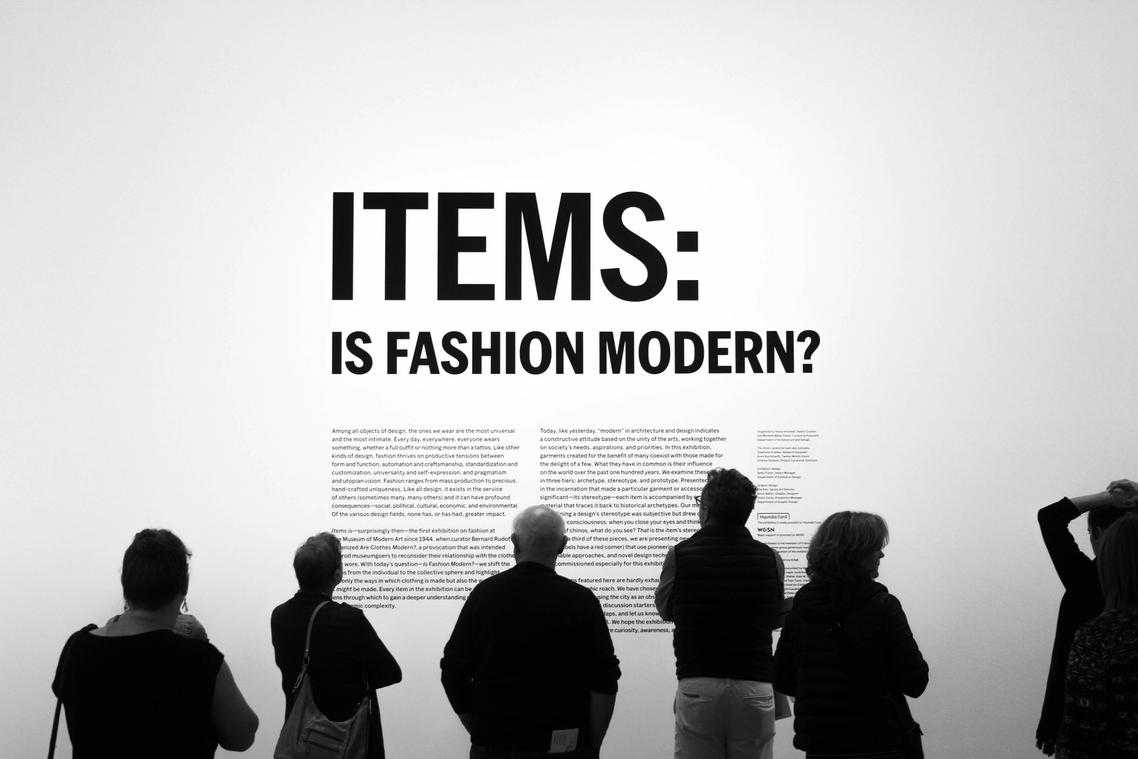
The Power of Proportion sits at the heart of modern gender-neutral design. Instead of tailoring clothes to exaggerated “masculine” or “feminine” shapes, designers focus on balance. Oversized fits create structure without clinging. Drop shoulders soften the frame and allow movement. Relaxed tailoring removes rigid waist suppression, while straight-leg cuts elongate without overemphasizing hips or thighs. The goal? Versatility across body types (because great style shouldn’t require a geometry lesson).
If you’re wondering how to make it work in real life, start here:
- Choose structured oversized pieces so the look feels intentional, not sloppy.
- Prioritize straight silhouettes for trousers and denim to create visual harmony.
- Layer strategically—a boxy blazer over a fluid knit adds depth without bulk.
Fabric and palette matter just as much. High-quality materials like organic cotton, sturdy denim, and breathable knitwear provide durability and comfort. Neutral, earthy, and monochrome tones act as a blank canvas for individuality. Think of it like set design in a minimalist film—subtle, but powerful. Research shows consumers increasingly prioritize sustainable and versatile materials (McKinsey State of Fashion Report, 2023), reinforcing this shift.
Beyond hoodies and tees, we’re seeing genderless suiting, convertible outerwear, and modular garments that adapt with the wearer. The gender-neutral clothing rise reflects practicality meeting identity—clothes designed to flex with real life.
And ergonomics? That’s the quiet revolution. Designers now prioritize mobility, breathable fabrics, and thoughtful pocket placement. Clothes are meant to be lived in, not just photographed. For a look at how this evolution intersects with tech, explore digital fashion and virtual clothing what it means for shoppers.
Designers and Brands Leading the Charge
The Luxury Pioneers
Long before unisex tabs appeared on shopping apps, avant-garde designers were dismantling fashion’s gender binary. Think of labels like Comme des Garçons and Yohji Yamamoto, where silhouettes blurred structure and expectation (and occasionally confused department store buyers). These pioneers treated gender as a design constraint to challenge, not obey. While critics argue that luxury experimentation rarely trickles down, history suggests otherwise—runway risk often becomes retail reality within a few seasons.
The New Guard of Independent Labels
Now, a new wave of independent brands is building inclusivity into their DNA rather than retrofitting it later. These labels prioritize fluid tailoring, extended sizing (meaning sizes that go beyond the traditional XS–XL range), and community-led campaigns. In contrast to legacy houses, they don’t “announce” inclusivity—it’s simply embedded. Some skeptics say niche brands lack scalability. However, their direct-to-consumer models and loyal micro-communities prove that cultural relevance can outweigh mass production.
Mainstream Momentum
Meanwhile, high-street retailers are responding to consumer demand with dedicated unisex edits and neutral store layouts. The gender-neutral clothing rise has pushed even fast-fashion giants to reconsider rigid merchandising. Yet here’s the contrarian truth: slapping “unisex” on a hoodie isn’t revolutionary. If the cut, sizing, and marketing remain binary, it’s branding—not progress.
What to Look For
So how do you spot authenticity?
- Extended sizing that’s consistent across collections
- Diverse model representation across body types and identities
- Thoughtful design, not just neutral colors
Ultimately, real inclusivity shows up in construction and campaign choices—not just clever copy (because consumers can tell the difference).
Building a fluid wardrobe is like laying the foundation of a house. Start with investment pieces—a classic trench coat, a blazer, wide-leg trousers—that act as load-bearing walls. From there, layering becomes your design. An open button-down over a tank or a vest atop a long-sleeve tee adds dimension the way layers add depth to a room.
At the time, accessories are the artwork. Statement jewelry, bags, footwear, a scent transform a base into yours. As the gender-neutral clothing rise reshapes closets, think of style as jazz: structure first, improvisation second. For more inspiration, explore this guide to layering (https://example.com) today.
The Future of Fashion is Open to Everyone
The gender-neutral clothing rise signals more than a passing trend—it confirms that fashion is moving toward a more authentic, expressive future. You came here to understand where style is headed, and the answer is clear: rigid categories are fading, and individuality is taking center stage.
For too long, traditional labels limited how you could show up in the world. Breaking free from those constraints gives you the power to build a wardrobe that actually reflects who you are.
Now it’s your move. Explore one new silhouette or emerging brand mentioned and experience the freedom for yourself. Your style has no gender—so why should your closet?

 There is a specific skill involved in explaining something clearly — one that is completely separate from actually knowing the subject. Jarod V. has both. They has spent years working with everyday styling hacks in a hands-on capacity, and an equal amount of time figuring out how to translate that experience into writing that people with different backgrounds can actually absorb and use.
Jarod tends to approach complex subjects — Everyday Styling Hacks, Designer Runway Reviews, Unique Finds being good examples — by starting with what the reader already knows, then building outward from there rather than dropping them in the deep end. It sounds like a small thing. In practice it makes a significant difference in whether someone finishes the article or abandons it halfway through. They is also good at knowing when to stop — a surprisingly underrated skill. Some writers bury useful information under so many caveats and qualifications that the point disappears. Jarod knows where the point is and gets there without too many detours.
The practical effect of all this is that people who read Jarod's work tend to come away actually capable of doing something with it. Not just vaguely informed — actually capable. For a writer working in everyday styling hacks, that is probably the best possible outcome, and it's the standard Jarod holds they's own work to.
There is a specific skill involved in explaining something clearly — one that is completely separate from actually knowing the subject. Jarod V. has both. They has spent years working with everyday styling hacks in a hands-on capacity, and an equal amount of time figuring out how to translate that experience into writing that people with different backgrounds can actually absorb and use.
Jarod tends to approach complex subjects — Everyday Styling Hacks, Designer Runway Reviews, Unique Finds being good examples — by starting with what the reader already knows, then building outward from there rather than dropping them in the deep end. It sounds like a small thing. In practice it makes a significant difference in whether someone finishes the article or abandons it halfway through. They is also good at knowing when to stop — a surprisingly underrated skill. Some writers bury useful information under so many caveats and qualifications that the point disappears. Jarod knows where the point is and gets there without too many detours.
The practical effect of all this is that people who read Jarod's work tend to come away actually capable of doing something with it. Not just vaguely informed — actually capable. For a writer working in everyday styling hacks, that is probably the best possible outcome, and it's the standard Jarod holds they's own work to.