If you’ve been searching for a practical, stylish way to master transitional dressing, this layering clothes guide is exactly what you need. Layering isn’t just about staying warm—it’s about creating dimension, balance, and personality in every outfit. Done right, it can transform basic wardrobe staples into polished, trend-forward looks that work from day to night.
This article breaks down the fundamentals of smart layering, from choosing breathable base pieces to mixing textures, proportions, and statement layers without looking bulky. You’ll discover how to adapt runway-inspired techniques to everyday wear, make the most of pieces you already own, and avoid the most common layering mistakes.
Our insights are grounded in ongoing analysis of current fashion trends, designer collections, and real-world styling techniques that actually translate off the runway. Whether you’re refining your personal style or experimenting with new silhouettes, this guide will give you clear, actionable steps to layer with confidence and intention.
Beyond the Basics: The Modern Art of Layering
Layering for warmth often creates bulk or mismatched outfits. In simple terms, layering means wearing multiple garments in a deliberate order to add depth, insulation, and visual interest. However, without understanding proportion (how pieces balance in size and length), texture (how fabrics feel and reflect light), and color harmony (how shades complement each other), outfits can look chaotic.
This layering clothes guide reframes the process. First, start with slim base layers. Next, add structured mid-layers. Finally, top with statement pieces. Think less marshmallow, more runway Matrix moment. Style and comfort can coexist.
The Three-Layer Foundation: A Formula for Success
Great style isn’t accidental—it’s architectural. Think of layering as building a house: foundation, structure, and façade. When each layer serves a purpose, the whole look feels intentional rather than thrown together (the fashion equivalent of “I just woke up like this”).
The Base Layer sits closest to your skin. Its job? Moisture-wicking and comfort. A fine-gauge knit vs. a basic cotton tee comes down to polish: knits feel refined and office-ready, while fitted cotton tees lean casual and breathable. Silk camisoles, meanwhile, offer a sleek, barely-there finish under sharper pieces. Choose function first, then finesse.
The Mid-Layer is where personality lives. A crisp button-down vs. a cashmere crewneck changes the mood entirely—structured and sharp versus soft and relaxed. Add a vest for tailored intrigue or an unbuttoned cardigan for ease. This layer provides insulation, but more importantly, visual interest.
The Outer Layer makes the statement. A tailored blazer signals authority; a leather jacket whispers edge. Trench coats feel timeless, while structured wool coats add drama and warmth.
Finally, the Third Piece Rule: adding that extra element—blazer, vest, or coat—instantly elevates basics. Without it, jeans and a tee look fine. With it, they look styled. For more, consult a reliable layering clothes guide and experiment with contrasts.
A Tactile Toolkit: Mastering Fabric and Texture Combinations
Why Texture Matters
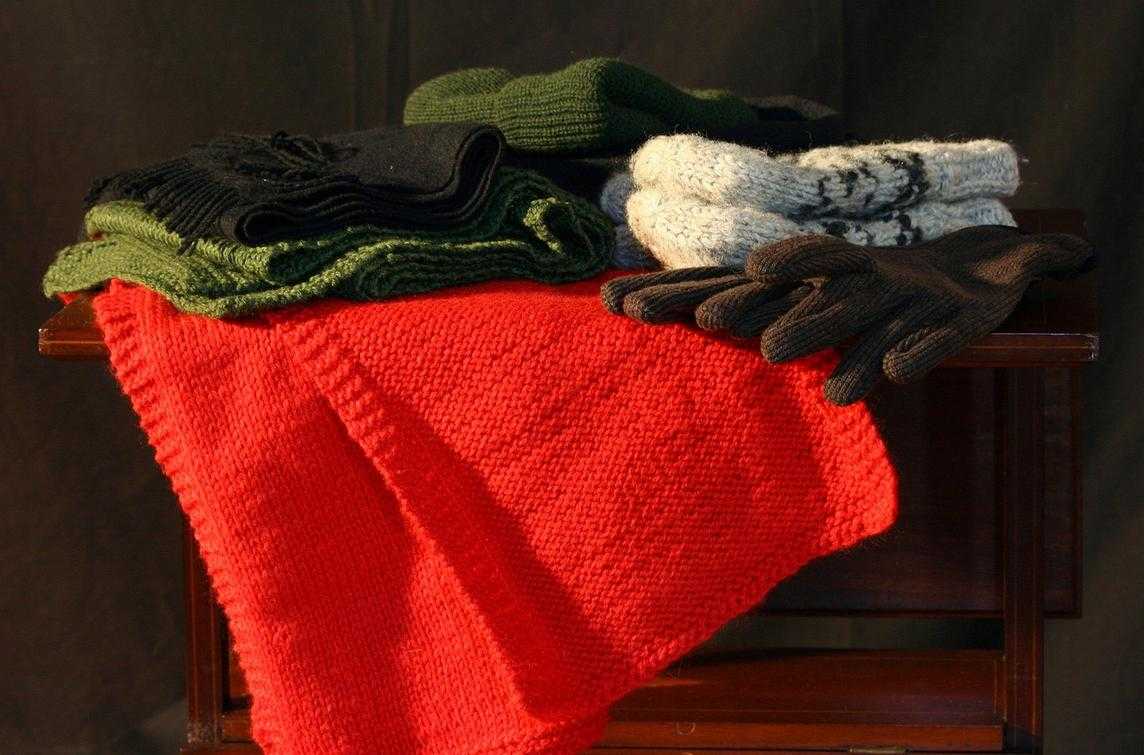
Texture refers to how a fabric looks and feels—from nubby tweed to glossy satin. When you mix textures, you create visual depth, meaning the eye has somewhere to travel instead of seeing one flat block of color. A head-to-toe beige outfit can feel lifeless, but add ribbed knit or brushed suede and suddenly it feels intentional (think quiet luxury, not waiting-room chic). Some argue that monochrome is strongest when it’s perfectly uniform. True—but even runway minimalism relies on subtle contrasts in weave and finish to avoid looking one-note (Vogue Runway trend reports consistently highlight texture play in neutral palettes).
High-Impact Pairings
These combinations work because they balance contrast with cohesion:
- Chunky knit wool + smooth satin (cozy meets polished)
- Rugged denim + delicate lace
- Sleek leather + soft cashmere
- Structured tweed + fluid silk
Each pairing combines a heavier textile—thicker, weightier fabric—with a lighter, drapier one. The benefit? Dimension without chaos.
The Balance Act
Texture affects silhouette. A chunky knit adds volume and warmth, while a silk slip streamlines and reflects light. If everything is oversized, you risk bulk. If everything is sleek, you lose personality. Pro tip: anchor one bold texture with a smoother base layer to keep proportions sharp.
Seasonal Fabric Swaps
In warm months, lean into breathable fibers like linen, cotton, and chambray; layering lightweight weaves prevents overheating while adding depth (the layering clothes guide principle applies year-round). In colder weather, wool, flannel, and fleece provide insulation through trapped air fibers (per Textile Exchange fiber studies).
For finishing touches, revisit accessorizing 101 small changes big impact to amplify texture with belts, bags, or scarves.
Sculpting Your Silhouette: The Power of Proportion and Length
Great style isn’t about having more clothes—it’s about using proportion to your advantage. When you understand balance, you unlock CONFIDENCE, POLISH, and a silhouette that feels intentional (not accidental).
The Rule of Opposites is your foundation. Pair a voluminous top—like an oversized blazer or chunky cardigan—with a slim bottom such as skinny jeans or a pencil skirt. This contrast balances visual weight. Think of it like architecture: structure on top, streamline below. The benefit? You avoid looking boxy while still enjoying cozy, statement pieces. Some argue oversized-on-oversized feels fashion-forward—and it can—but without contrast, most body types lose shape. Balance simply works.
Varying Hemlines for Visual Interest adds depth. A longline shirt peeking beneath a cropped sweater or a long coat over a shorter dress creates dimension. These layered lengths guide the eye vertically, making you appear taller (yes, even without heels). It’s subtle sophistication—very “model off-duty,” but wearable.
Defining Your Waistline is crucial because layers can blur your natural shape. Reclaim it with a belt over a blazer or by tucking in your base layer. This small adjustment creates curves and clarity. Pro tip: Position the belt slightly above your natural waist for a leg-lengthening effect.
Finally, embrace The Column of Color. Wearing one shade for your base and mid-layers forms a continuous vertical line. The outer layer becomes the star while your frame looks longer and leaner. It’s a principle often highlighted in any layering clothes guide for good reason—it flatters almost everyone.
Master these techniques, and you don’t just get dressed—you DESIGN your silhouette.
Curating Your Color Story
Monochromatic mastery is more than wearing all beige. It’s strategic tonal layering—camel over cream over sand—to create depth that photographs luxuriously (think Succession minimalism). Critics say monochrome is boring. Only when texture is ignored. Silk against wool changes everything.
The neutral canvas works similarly. Anchor with black, white, grey, or navy, then let saturated layer command attention. Red blazer. Cobalt heel. Done.
For pattern play, follow one rule from our layering clothes guide: pair a large, simple stripe with a small, busier floral in a shared color family. Pro tip: repeat one shade twice to unify.
Mastering dimensional style comes down to four pillars: foundation, texture, proportion, and color. Start with a breathable base layer that fits well; that’s your foundation. Next, mix textures—think denim with knit or leather with cotton—for instant depth. Then balance proportion by pairing oversized pieces with tailored ones. Finally, tie it together with a cohesive color story.
In other words, you no longer have to choose between warmth and style. Instead, treat your closet like a toolkit. Try one step from this layering clothes guide today—maybe blending textures—and build confidence from there. Ready to experiment? Start small and refine consistently weekly.
Master Your Look with Confidence
You came here to finally make sense of layering—how to combine pieces without looking bulky, mismatched, or overdone. Now you know how to balance proportions, mix textures, transition between seasons, and build outfits that feel intentional instead of accidental.
The real frustration was never having enough clothes. It was not knowing how to style what you already own. With the right structure and a reliable layering clothes guide, you can turn basic staples into standout looks without overspending or overthinking.
Fashion moves fast, but style is built step by step. Start applying these layering techniques to your everyday outfits. Experiment with one new combination this week. Pay attention to fit, flow, and focal points.
If you’re tired of second-guessing your outfits and want trend-forward, wearable advice that actually works, explore more of our expert-backed styling insights. Join thousands of style-conscious readers who rely on us for sharp runway breakdowns and practical fashion hacks.
Your wardrobe already has potential. Now it’s time to use it.